Here’s the truth about weight rooms in real life:
It’s not the big purchases that usually mess up training flow… it’s the missing little parts.
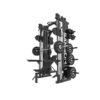
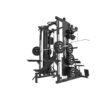
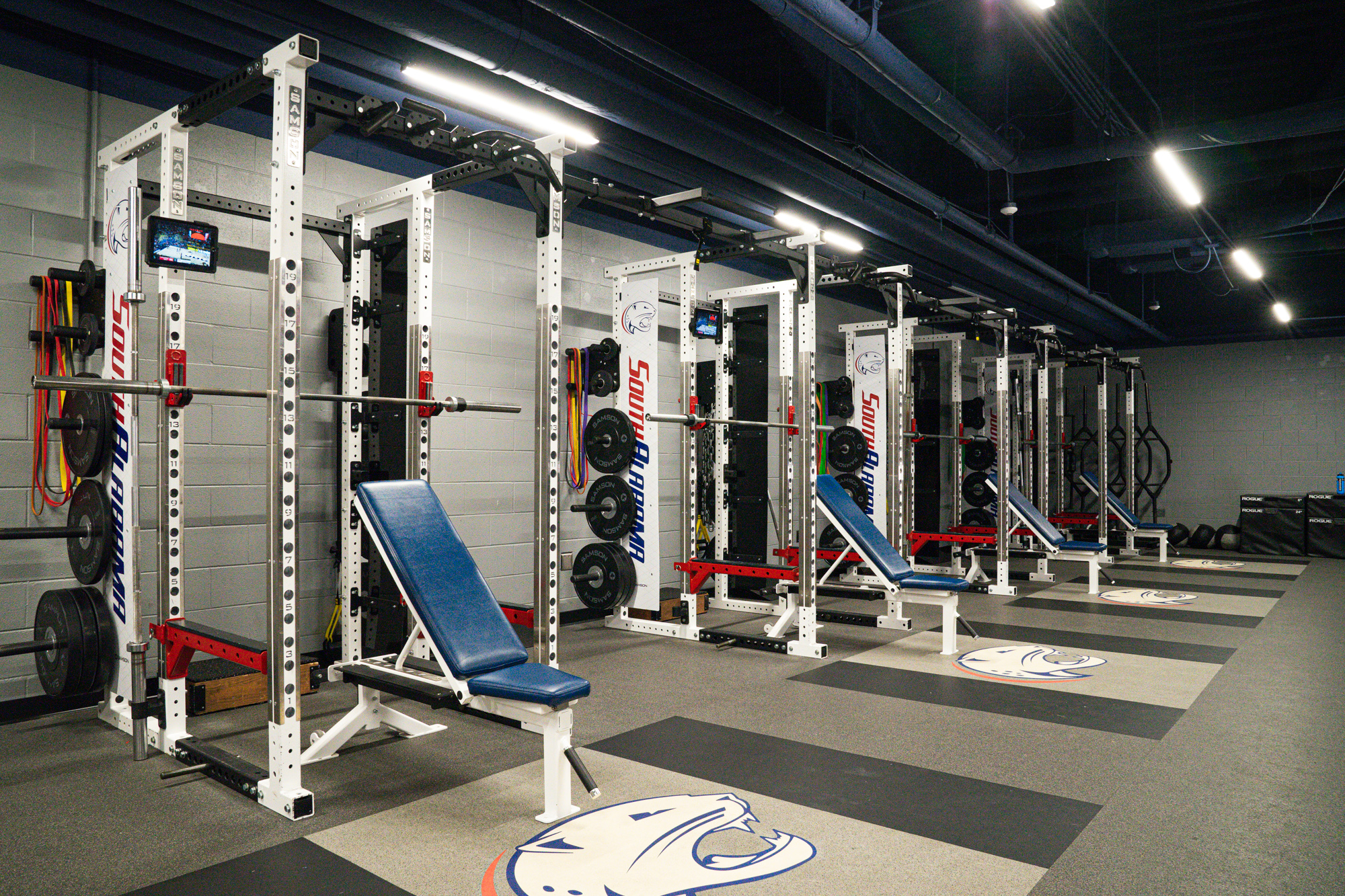
A rack that is built like a tank still needs the right J-cups, safeties, pop-pins, pads, handles, hardware, and wear components to stay safe and keep athletes moving. This guide is written to help coaches, athletic directors, and facility managers identify what parts matter most, how to spot issues early, and how to order the right replacements without playing email ping-pong.
If you already know what you need, start here: Weight Room Parts. If you want help ID’ing a part quickly, contact our team here: Contact Samson Equipment.
What counts as a “part” in a weight room?
In a school, college, tactical, or pro setting, “parts” usually means anything that:
- Wears out through normal use (pads, cables, bearings, bushings, pulleys, UHMW protectors)
- Gets lost during room reconfigurations (pins, bolts, washers, clips)
- Protects the athlete and the equipment (J-cups, safeties, rack liners, shields, guards)
- Improves training efficiency (attachments, storage add-ons, handle options)
Even if your equipment is built for decades of use, these smaller components are what keep the room feeling “new” and running smooth… and they help prevent those small issues from turning into injuries, downtime, or damaged bars.
Fast way to figure out what you need: 5 questions
Before you order anything, answer these five questions. This alone eliminates most back-and-forth.
- What piece is it on (rack, bench, machine, storage, flooring edge, accessory station)?
- What is the symptom (loose, squeak, sticking, fraying, wobble, tearing, missing hardware)?
- Is it wear or damage (normal wear vs. impact, misuse, or modification)?
- How urgent is it (safe to train with today, needs to be pulled from use immediately, can wait until offseason)?
- Can you send photos from two angles plus a close-up?
If you can send photos and a short note, your replacement part process gets WAY faster. When in doubt, start here: Contact Team.
Rack parts that matter most
Racks take the most daily abuse in most rooms. If you want the biggest safety return for the least money, keep rack parts in top shape.
J-cups and bar protection
J-cups are your bar’s first point of contact on almost every set. If the protective surface is worn through, cracked, or missing, your bars can get chewed up fast, and athletes can get unpredictable rack-outs.
- Check for worn liners and exposed metal contact
- Check for looseness or deforming at the contact points
- Listen for metal-on-metal sounds during rack/unrack
Related categories you may want to browse while you’re here:
Safeties, catches, and spotter components
If safeties are bent, hard to set, or missing protective surfaces, you have a real safety issue. The whole point of a rack is consistent, repeatable training at load, and safeties are the backup plan when a rep goes sideways.
- Inspect welds and connection points
- Confirm equal height settings left and right
- Check the “feel” of insertion and removal, no sticking or binding
Pop-pins, detent pins, and adjustment hardware
Any adjustable component is only as good as the pin that locks it. If pins stick, don’t seat fully, or have missing retention clips, pull that station from use until it’s fixed.
- Verify the pin fully seats through the hole
- Check spring action and corrosion
- Replace missing lanyards or retention clips before they become a daily headache
Rack attachments (the “nice-to-have” that becomes essential)
Attachments are often the first thing to go missing or get moved incorrectly during a room rearrange. The good news is, replacing these is usually straightforward once you ID the exact style.
If your training revolves around attachments and modular use, also check:
Bench parts and upholstery: what wears out first
Benches look simple, but they get hammered daily. The two big areas are upholstery and moving components like wheels or adjustment ladders.
Upholstery, pads, and pad backing
Once a pad starts tearing, it will keep tearing. Besides comfort, torn upholstery can expose backing materials and create hygiene problems in high-traffic rooms. If you’re seeing seam splits, punctures, or loose pad mounting, it’s time to address it.
Browse benches here: Weight Benches.
Bench hardware, ladders, and adjustment points
Adjustable benches depend on clean engagement and tight hardware. Loose bolts turn into wobble. Wobble turns into athletes not trusting the equipment. That is how “small” problems become daily coaching problems…
- Check ladder teeth or adjustment rails for wear
- Inspect bolts and washers for loosening over time
- Confirm the bench sits flat with no rocking
Machine parts guide: cables, pulleys, bearings, and selector systems
Selectorized machines and cable stations keep training accessible for multi-sport rooms, rehab needs, and high-volume environments. They also include more wear components, so proactive inspection matters.
Browse machine categories here: Machines.
Cables
Cables are a wear item. If a cable is fraying, kinking, flattening, or showing broken strands, that station should be taken out of use until replaced. A frayed cable is not “almost fine,” it’s a failure that just hasn’t happened yet.
Quick checks:
- Run a visual check along the cable path (top to bottom, end to end)
- Look for fray points near pulleys and end connections
- Check for uneven tracking, rubbing, or misalignment
Pulleys and bearings
If you hear grinding, squeaking that doesn’t go away with basic cleaning, or feel “notchy” movement, you’re likely dealing with pulley or bearing wear. These parts keep the motion smooth and reduce unnecessary stress on cables.
- Inspect pulley grooves for wear or sharp edges
- Confirm pulleys spin freely without wobble
- Check that hardware is tight and aligned
Weight stack selector pins and guide rods
Selector pins are easy to lose and easy to ignore, until they create a safety issue. If pins don’t seat cleanly, or if the stack is sticking, you may also need to inspect guide rods and bushings.
- Make sure the selector pin locks fully into the plate
- Confirm the magnet (if applicable) is intact and holding
- Watch the stack travel, no sticking, no uneven lift
Flooring “parts” you should not ignore
Flooring is equipment too. And it has parts… seams, edges, transitions, adhesive areas, and high-impact zones that degrade faster under racks, platforms, and heavy dumbbell traffic.
Start here: Flooring.
Maintenance matters more than most people think. If you want a cleaning and upkeep reference, read: Athletic Flooring Cleaning and Maintenance.
Flooring issues that deserve immediate attention:
- Edges that curl up (trip hazard)
- Seams separating in high-traffic lanes
- Cracked tiles or compressed zones under repeated drops
- Transitions that create uneven surfaces at platform boundaries
What to keep on hand: a practical spare parts list
If you manage a high school or college room, you’ll save time and stress by keeping a small “ready kit” on hand. Not a huge inventory… just the parts that fail or disappear most often.
Recommended spares for most rooms
- Common rack pins and retention clips
- Common hardware sizes used in benches and attachments (bolts, washers, lock nuts)
- Extra J-cup liners or protective inserts (where applicable)
- One spare cable for each heavily used cable station type
- A few selector pins (the ones that always vanish mid-semester)
If your room is modular and changes often, add storage parts and accessory hooks to your spare kit: Storage.
How to order the right part the first time
Ordering parts is simple when the identification is clean. Here’s a process that works.
Step 1: Take the right photos
- Wide shot showing the full piece of equipment
- Mid shot showing where the part sits
- Close-up showing the part and any wear/damage
Step 2: Capture basic measurements
- Overall length/width of the part (or the space it fits into)
- Hole spacing if it mounts with bolts
- Cable length if you’re replacing a cable (or provide machine model and photos)
Step 3: Share context that helps
- Approximate install year (even a guess helps)
- How the room is used (football-heavy, multi-sport, tactical, rehab, PE)
- Any modifications made after install
Then send it here: Contact Samson Equipment.
When a part issue becomes a safety issue
Some problems are annoying. Some problems are dangerous. Here’s a simple rule:
If the part controls load, catches load, or locks an adjustment, it’s a safety part.
Examples that should trigger a station being pulled from use until fixed:
- Fraying cables
- Safeties that do not seat properly
- J-cups with missing protection or metal-on-metal contact
- Pins that do not fully engage
- Loose rack components that shift under load
If you’re ever unsure, send photos and we’ll help you make the call: Contact Team.
Warranty and long-term support
One reason programs invest in professional-grade equipment is longevity, and longevity is not just about steel. It’s about the full system: materials, workmanship, and the ability to maintain the room over time with correct replacement components. If you need warranty details or want to understand what’s covered, start here: Warranty.
Parts are also planning: keep your room evolving
Great rooms are not static. They evolve with the program, the athletes, and the training style. Sometimes the “right part” is not a replacement, it’s an upgrade: better storage, better flow, more stations, fewer bottlenecks.
If you’re thinking bigger than parts and you’re planning a rework, these pages help:
Quick links: start here
Final takeaway
A weight room doesn’t fall apart all at once… it frays, loosens, sticks, squeaks, and slowly loses efficiency until the training experience suffers.
Stay ahead of it with basic inspections, a small spare kit, and fast part identification. When you’re ready, start with the parts catalog here: Weight Room Parts, or reach out and we’ll help you pinpoint exactly what you need: Contact Samson Equipment.