Commercial Squat Stands for Flexible Strength-Training Layouts
Squat stands can support facilities that need an open, adaptable lifting station and do not require the footprint or structure of a full power rack at every position. Samson Equipment builds for school, collegiate, professional, tactical, and private performance settings where equipment must support repeated use and fit into a larger training plan. The right choice depends on who will use the equipment, how often it will be used, and how it will interact with racks, platforms, storage, and open training space.
Explore commercial squat stands
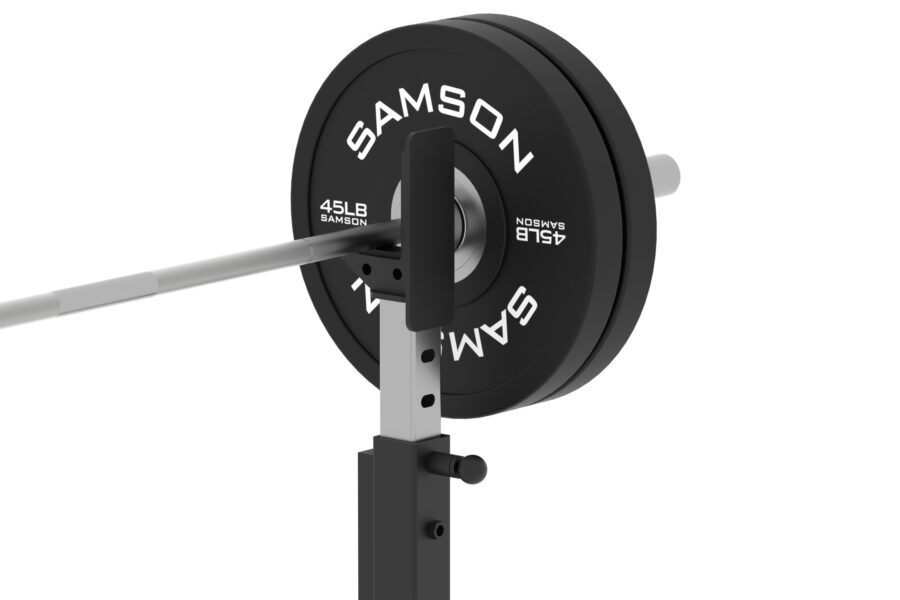
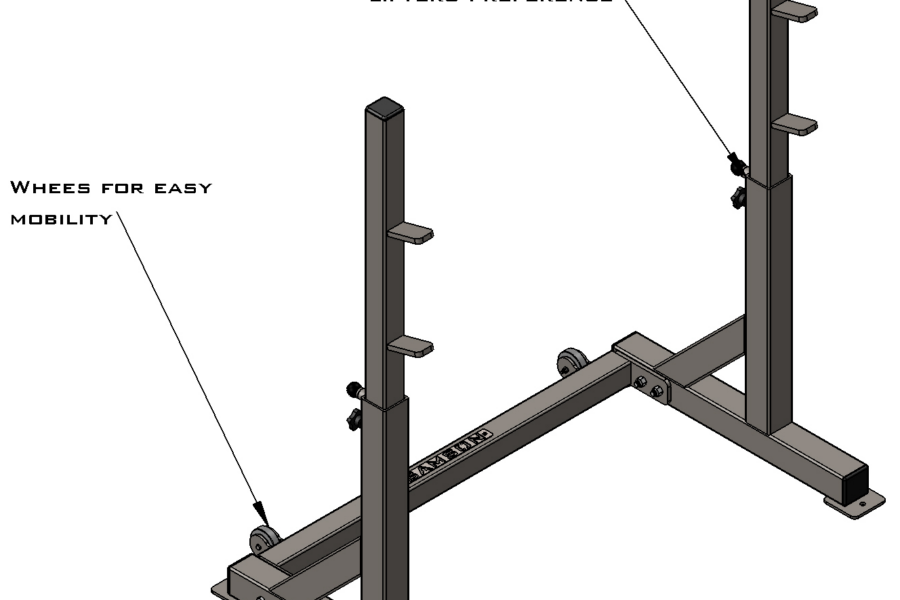
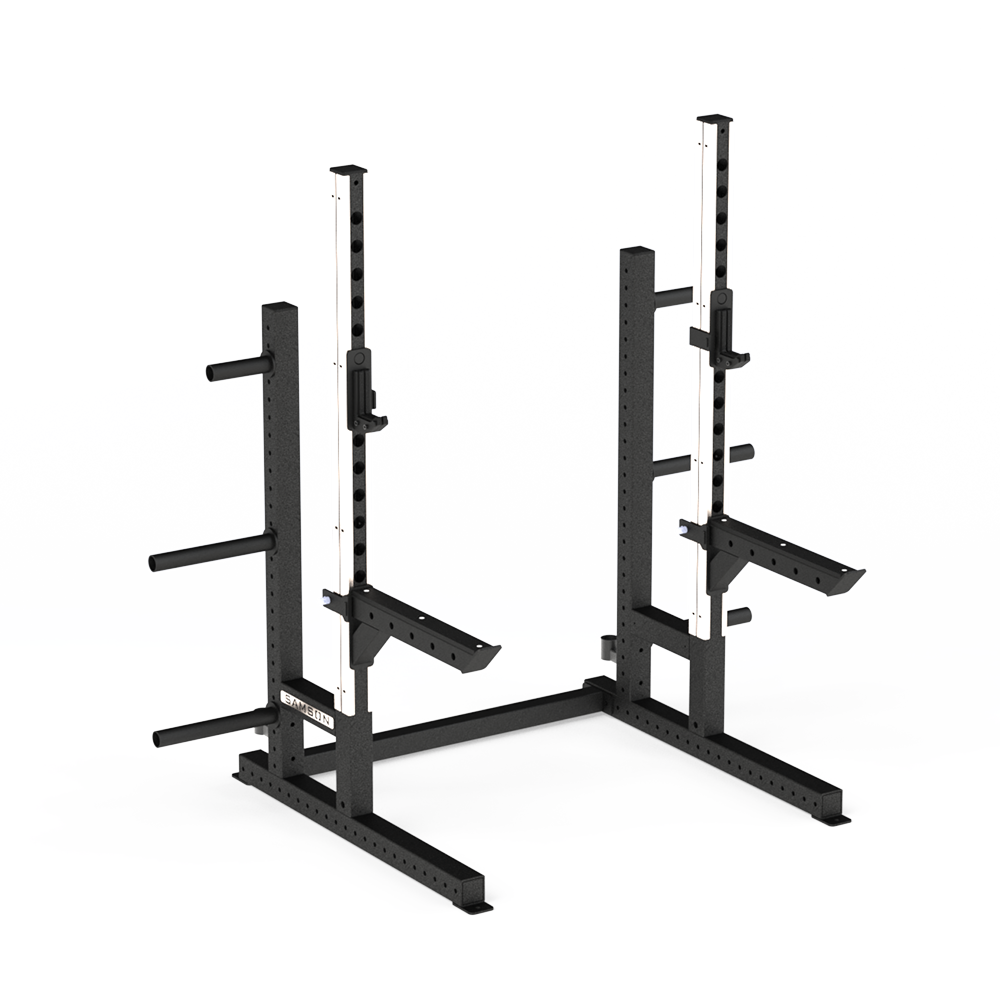
Current options on this page include Power Stand with Storage, Squat Stand Post, Adjustable Squat Stand. The category currently includes the Power Stand with storage, Squat Stand Post, and Adjustable Squat Stand. Review each product page for its current configuration and images. Use the individual product pages to review the available details, images, and specifications, then confirm final requirements with a Samson representative before ordering.
What to consider before selecting equipment
Start with the training task. Consider the exercises the staff programs most often, the athletes’ experience levels, the expected number of simultaneous users, and the amount of floor space available around each station. Confirm the intended lifts, adjustment range, stability requirements, safety strategy, athlete population, platform or flooring relationship, bar storage, and the space needed for loading and spotting. Also account for the way equipment will be moved, cleaned, inspected, and stored. A product that fits the exercise but disrupts traffic or creates a storage problem may not be the best solution for the room.
Commercial facilities should compare equipment by lifecycle value rather than purchase price alone. Durability, serviceability, replacement-part access, compatibility with existing stations, and the ability to support future growth can affect the true value of a purchase. A clear procurement plan should document intended use, room dimensions, quantity, delivery access, installation needs, and any customization before final approval.
Plan the equipment as part of the room
Portable or open stations still require a deliberate layout. Stands should not narrow major walkways or create conflicts with benches, plates, bars, adjacent athletes, or coaching sightlines. Coaches also need unobstructed sightlines and enough clearance for athletes to load, lift, and transition safely. Storage should be located near the work it supports, while high-traffic paths should remain open during the busiest training groups.
Samson’s made-to-order approach allows a program to coordinate equipment, configurations, and visual details around its training model. If the project includes more than a single item, review the full custom weight room solutions process so product selection and layout can be considered together.
Build a practical specification
Before requesting a quote, list the users, exercises, desired quantities, available footprint, ceiling constraints, storage expectations, and any team branding requirements. Photos and a dimensioned floor plan can help the design conversation move faster. For replacement parts, include the original equipment model, measurements, and clear photos so compatibility can be reviewed rather than assumed.
Browse the commercial squat stands listed here, learn how Samson moves from planning through manufacturing on the process page, or contact the team to discuss your equipment needs.