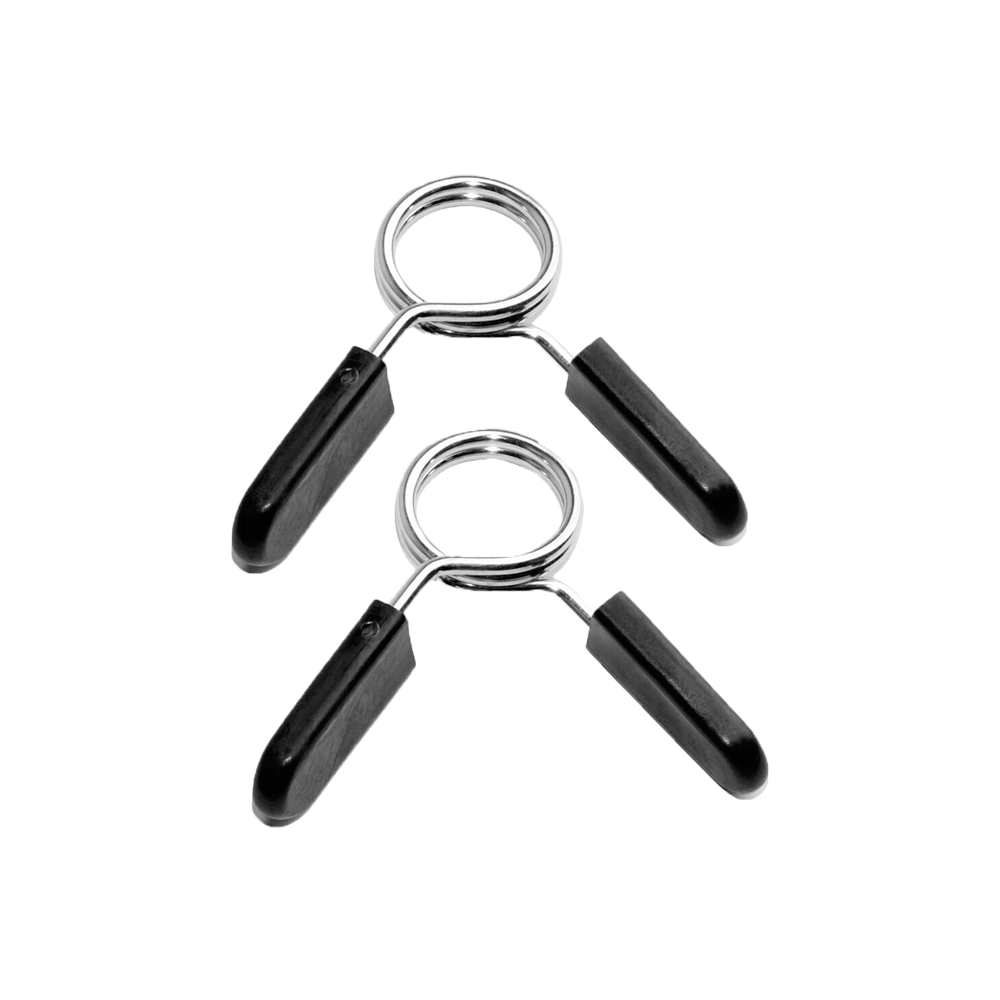
Olympic Spring Lock Collars: Simple Safety and Better Training Flow
In a team weight room, collars are one of the smallest items with the biggest impact. Without collars, plates can shift during reps, bars feel unstable, and athletes spend time “fixing” load between sets. With collars, training is safer, more consistent, and faster, especially when multiple stations are running at once. Samson Olympic spring lock collars are designed for quick on/off use on Olympic barbells. They’re an easy add-on for schools, colleges, tactical facilities, and any high-volume environment where equipment needs to work efficiently for many users.
Why collars matter in institutional training
Many coaches have seen it: plates slowly walk outward on a bar, especially on movements that involve dynamic reps or imperfect bar path. Even if the load shift is small, it changes how the lift feels and can distract athletes from quality execution. Collars help keep load in place so athletes can focus on the rep.
Key benefits of using collars consistently
- Improved bar stability: reduces plate movement that can throw off technique.
- Better safety habits: helps standardize setup expectations across teams.
- Faster station transitions: quick on/off speeds loading changes.
- Cleaner room operations: fewer loose plates sliding and clanging on sleeves.
Spring lock collars: fast and coach-friendly
Spring lock collars are popular in team rooms because they are intuitive. Athletes can put them on quickly, coaches can check compliance at a glance, and the whole room runs more smoothly. When equipment is easy to use, it’s used more consistently, especially with large groups.
Spring lock vs. other collar styles
Different facilities prefer different collar types depending on training style, athlete population, and budget. Spring lock collars are common because they’re simple and fast, but the most important factor is standardization, choose a collar approach and make it a consistent room expectation.
- Spring lock collars: quick on/off, easy to teach, great for high-throughput sessions.
- Locking collars: often provide a very secure clamp, sometimes preferred for heavier or more dynamic work.
How many collars does a facility need?
Underbuying collars is a common mistake. In a high-throughput session, athletes can’t share a single set of collars across multiple stations without creating slowdowns. A simple rule is to plan collars by primary barbell stations, plus extra sets for platforms, overflow lanes, and accessory circuits.
Practical planning approach
- Minimum: one set per active barbell station (2 collars per bar).
- Better: add spares for peak sessions and inevitable “walk-offs.”
- Best: integrate storage so collars return to the same place every time.
Samson can help you plan the full room, including bar counts, storage, and accessory quantities, so training doesn’t bottleneck. Start here: Start Your Free 3D Layout Design.
Storage: the difference between “we have collars” and “we can find collars”
In institutional settings, small accessories disappear when there’s no home for them. The best way to protect your accessory investment is to plan storage into the room layout. A well-designed storage plan makes it obvious where collars belong and speeds up post-session resets.
Simple storage habits
- Assign a location per station: collars live with the bars they serve.
- Standardize cleanup rules: athletes return collars after every set or block.
- Keep spares in a known place: one “accessory hub” reduces chaos.
Collars as part of a complete barbell system
Collars are one piece of the overall free-weight system: racks, benches, barbells, plates, and storage all work together. If you’re planning a new room or making upgrades, it’s worth reviewing how these pieces interact so equipment stays organized under real use. Explore examples of complete facility builds: Facilities.
Where collars matter most
Collars can be helpful on nearly any barbell movement, but they become especially important when plates are more likely to shift during reps or when multiple athletes share stations quickly.
Common high-value use cases
- High-rep work: fatigue and speed can make plate movement more likely.
- Busy rack stations: quick transitions benefit from simple, standardized setup rules.
- Training circuits: athletes move fast and need consistent station readiness.
Make collars a “non-negotiable” standard
Collars only improve safety and flow when they’re used consistently. Many facilities establish a simple rule: any loaded bar gets collars. That standard is easy to enforce, and it reduces the number of “half-set” stations that slow down a rotation.
Coach-friendly policy checklist
- One set per station: avoid sharing across racks.
- Visible storage: collars stay in a consistent, obvious location.
- Reset expectation: collars return to their home after each block.
- Quick inspection: remove damaged collars from rotation.
Cleaning and inspection
In team environments, collars get dropped, stepped on, and tossed into bins. A quick periodic check helps you pull damaged collars out of rotation and keep stations consistent for athletes. Simple wipe-downs also help keep the room looking professional for recruits, administrators, and visitors.
Ordering and support
If you’re outfitting a room, Samson can help you choose the right accessories and counts so teams can train efficiently. For pricing and recommendations: Contact Samson Equipment.
FAQs: Olympic spring lock collars
Do collars really make a difference?
Yes, especially with multiple athletes per station. Collars reduce plate movement and help standardize safe setup.
Are spring lock collars easy for athletes to use?
They’re designed for quick on/off operation, which is why they’re common in team rooms.
Should every bar have collars?
In most institutional rooms, yes. Planning one set per station improves flow and reduces sharing bottlenecks.
How do we keep collars from disappearing?
Plan storage at each station and standardize resets. Collars that have a dedicated “home” are far more likely to stay in the room long-term.
Should we buy extra sets?
Most facilities benefit from a few spare sets for peak sessions and inevitable loss over time. It’s a low-cost way to prevent training slowdowns.
Request Pricing and Layout Support
Support safer, faster barbell sessions with collars that are quick to use and easy to standardize. For help outfitting your facility with the right accessory counts, contact Samson.
Ordering, support, and facility planning
In a high-volume facility, the right equipment is only part of the solution. Planning station counts, storage, and traffic flow helps teams train efficiently and keeps equipment in better condition long-term. If you’re building a new room or upgrading an existing space, Samson can help you choose the right mix of stations and accessories so the room works under real training volume. For help selecting options, confirming fit, and building a complete equipment list, reach out here: Contact Samson Equipment. If you’re planning a full room layout, you can also start a free design conversation here: Start Your Free 3D Layout Design.
Quick FAQ
- What rack attachments does Samson have? Samson has many attachment options and can help identify the right fit for your racks.
- Are Samson rack attachments interchangeable? Yes, if the attachment is being used with a Samson rack.
- What care items are recommended? Samson can provide cleaners and replacement parts such as cables, pulleys, and knobs when needed.