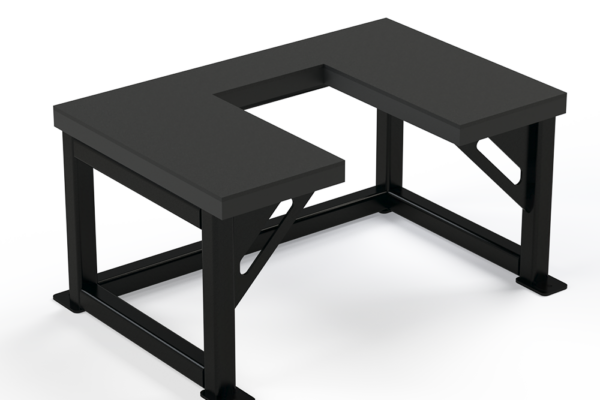
Elevated Squat Stand: Efficient Training Stations When Space and Throughput Matter
Not every facility has the footprint (or budget) for a full row of large racks, especially when teams need a mix of primary lifting, accessory work, and movement prep. That’s where squat stands and stand-based stations can provide real value. They create strong, simple training stations that support a wide range of programming without dominating the floor plan.
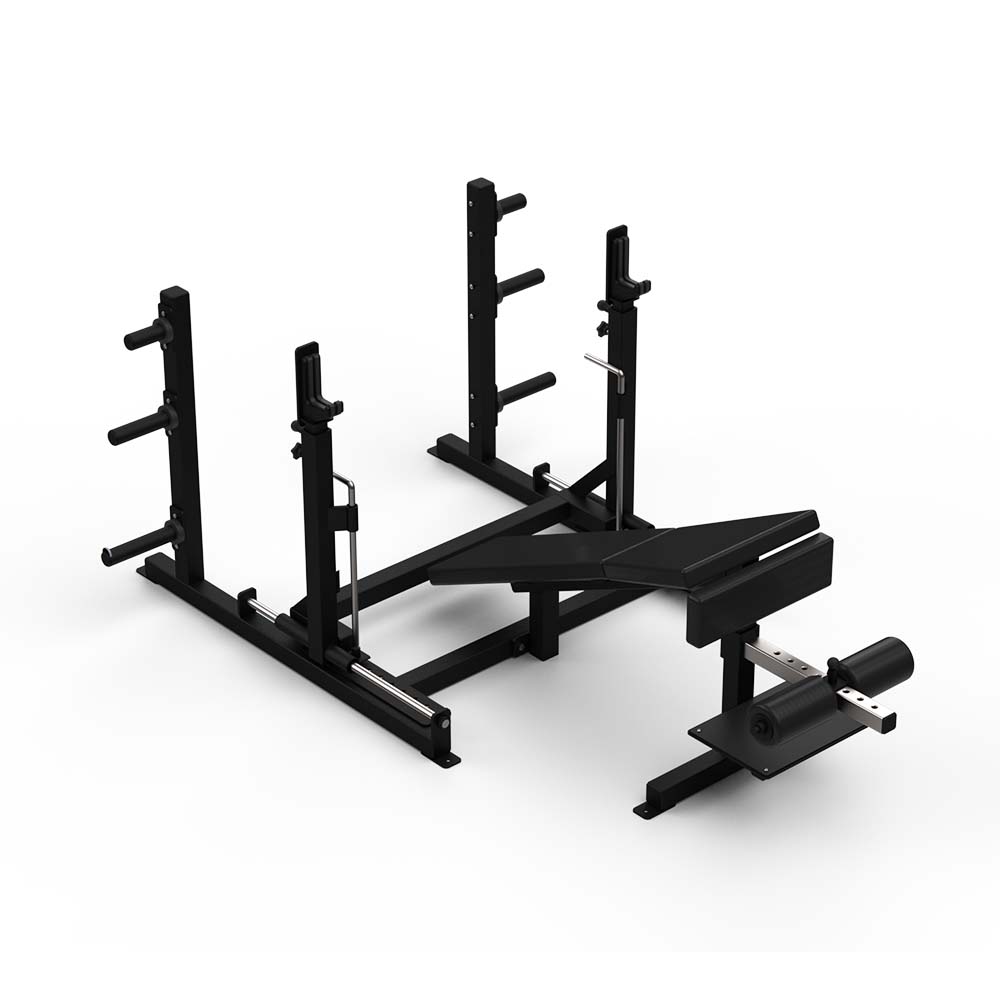
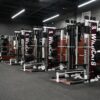
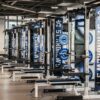
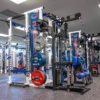
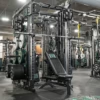
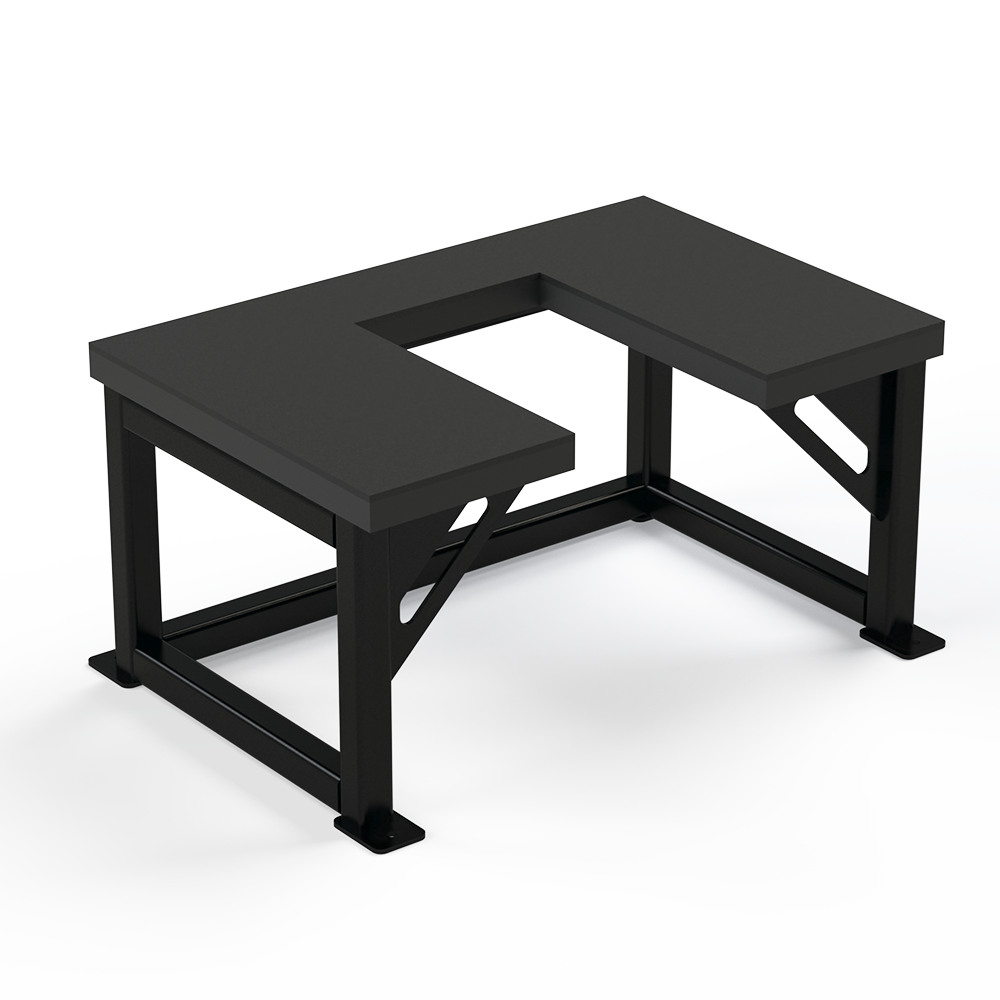
The Samson elevated squat stand is built for institutional training environments where durability, stability, and efficient group training are priorities. Whether you’re outfitting a school weight room, a collegiate program, or a tactical facility, stand-based stations can help you increase training capacity while keeping athletes moving.
Why elevated stand stations are popular in team rooms
In many rooms, the goal is not just “one athlete lifting perfectly”, it’s running a session smoothly with dozens of athletes rotating through stations. Squat stands can support a large portion of what teams need: squatting, pressing, pulling, and many accessory movements with minimal footprint.
Benefits in group training environments
- High throughput: easy to coach and rotate athletes quickly.
- Flexible programming: supports multiple movements across seasons and sport needs.
- Layout efficiency: adds stations without the footprint of larger systems.
- Budget flexibility: helps allocate budget across more station types.
Planning the right station mix
A great facility plan usually includes a mix of station types, primary racks, squat stands, benches, and accessory zones. The right mix depends on your training groups, schedules, and how coaches run the floor. If your room is built for throughput, you reduce bottlenecks and improve athlete experience.
Samson can help you plan that mix and map it into a complete layout: Start Your Free 3D Layout Design.
Programming considerations
Squat-stand stations are often used for:
- Primary barbell work: squat and press variations depending on your station setup.
- Speed/strength blocks: lower complexity stations for fast rotations.
- In-season training: efficient, repeatable station setups that keep sessions moving.
- Overflow capacity: add stations for peak training times.
For coaches, the key is consistency: if the room has a clear standard for how stations are loaded, spotted, and reset, athletes can run smoother sessions with less staff intervention.
Designing stations for real training flow
The best station designs account for what actually happens in a room: athletes rotate quickly, coaches supervise multiple groups, and equipment needs to stay organized between blocks. Stand-based stations can support that reality when they are placed correctly in the layout and paired with nearby storage.
Practical placement tips
- Place stands in a defined lane: avoid mixing stand traffic into heavy rack/platform lanes.
- Keep plates close: reduce carrying distances and improve reset speed.
- Maintain coach sight lines: coaches should see multiple stations without weaving through athletes.
Common station pairings
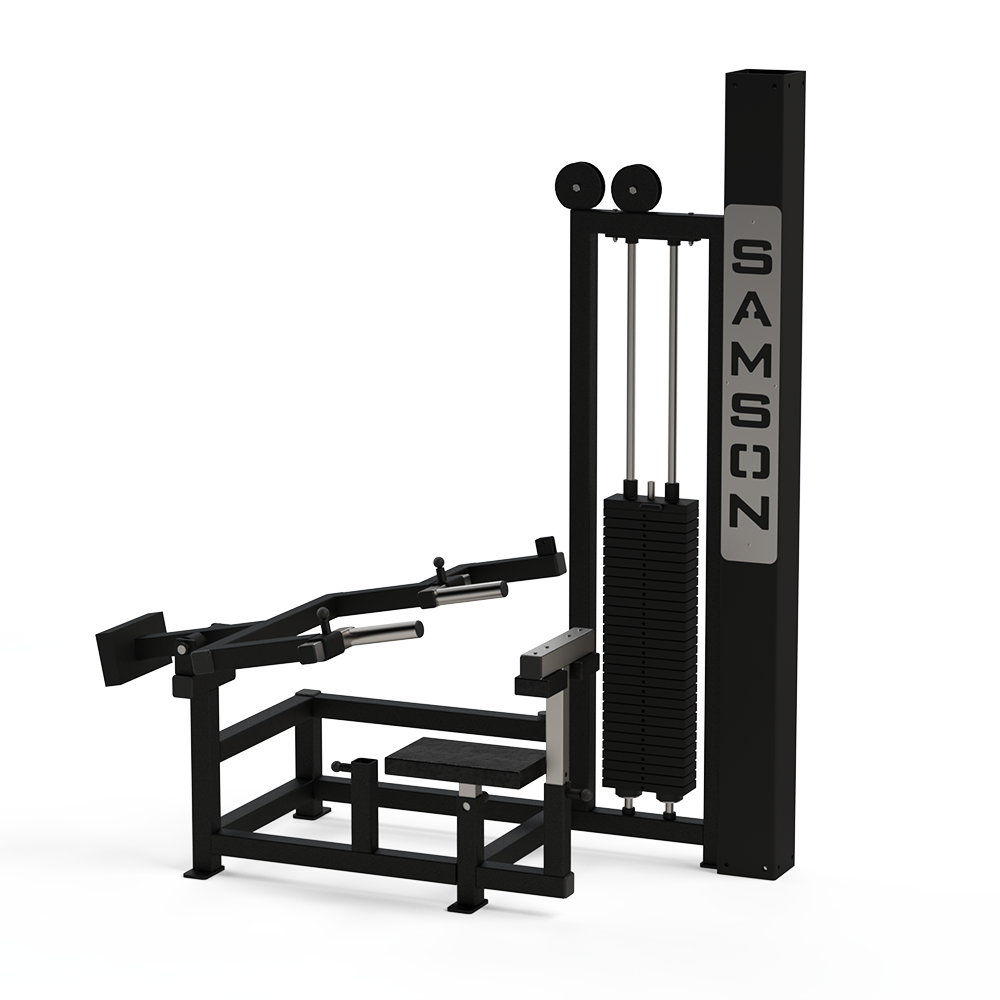
Many programs pair squat-stand stations with nearby accessory tools so athletes can complete a full training block without crossing the room. For example, a stand lane may sit adjacent to dumbbell work, upper-back pulling stations, and trunk training so rotations stay tight and efficient.
Safety and organization: the invisible parts of a good room
Facilities feel “professional” when stations are consistent and organized. That starts with layout, but it also depends on storage, traffic lanes, and clear expectations for where equipment lives. When stand stations are placed thoughtfully, coaches have better sight lines, athletes have safer walkways, and the room is easier to maintain.
Layout-first habits that improve safety
- Clear walkways: keep bar paths and walking lanes separated.
- Nearby plate storage: reduces carrying distances and floor clutter.
- Defined athlete flow: athletes move station-to-station without congestion.
- Consistent station setup: reduces confusion and poor setups under fatigue.
Spacing and lane planning
Stand stations should leave enough room for athletes to load safely and for coaches to move through the lane. Clear spacing also helps prevent collisions when teams rotate quickly.
Standards for spotting and station operation
In team environments, equipment is only part of the safety equation. Clear standards for spotting, rack height, loading, and resets help reduce risk and keep sessions moving. Many facilities use simple rules:
- Baseline rack height: stations start at a known height each block.
- Even loading + collars: athletes load symmetrically and secure plates.
- Clear walkways: athletes do not cross active lifting lanes.
- Reset expectations: plates and bars return to storage after the block.
Build a complete room around your teams
When you’re planning equipment, it helps to think in training “blocks”: primary lifts, accessory circuits, movement prep, and recovery. A stand can be one station in that system, but the best results come when the whole room is designed around how teams actually train.
Explore facility examples to see how Samson spaces come together: Facilities.
Maintenance and longevity
High-use rooms benefit from simple maintenance routines. Cleaning, periodic hardware checks, and consistent storage reduce wear and keep stations ready for daily training.
Ordering guidance and support
Need help selecting the right station mix for your room? Samson supports facility design, equipment selection, and layout planning so your space performs well under real training volume.
For pricing and recommendations: Contact Samson Equipment.
FAQs: elevated squat stands
Are squat stands a replacement for racks?
In many rooms, squat stands complement racks. A mixed station plan often improves throughput and gives coaches more flexibility.
How many stand stations should we plan?
That depends on group size and training schedule. A layout-first plan makes it easier to estimate station counts and avoid bottlenecks.
Can Samson help with layout and equipment selection?
Yes, Samson can help plan a complete room so equipment, storage, and traffic flow work together.
Where should squat stands go in the room?
Many facilities place them in a defined lane with nearby plate storage and clear walkways so stand stations don’t interfere with primary rack or platform traffic.
Request Pricing and Layout Support
Create efficient training capacity with durable stations designed for institutional use. To plan your room layout and station mix, contact Samson.
Ordering, support, and facility planning
In a high-volume facility, the right equipment is only part of the solution. Planning station counts, storage, and traffic flow helps teams train efficiently and keeps equipment in better condition long-term. If you’re building a new room or upgrading an existing space, Samson can help you choose the right mix of stations and accessories so the room works under real training volume.
For help selecting options, confirming fit, and building a complete equipment list, reach out here: Contact Samson Equipment. If you’re planning a full room layout, you can also start a free design conversation here: Start Your Free 3D Layout Design.
Quick FAQ
- What rack attachments does Samson have? Samson has many attachment options and can help identify the right fit for your racks.
- Are Samson rack attachments interchangeable? Yes, if the attachment is being used with a Samson rack.
- What care items are recommended? Samson can provide cleaners and replacement parts such as cables, pulleys, and knobs when needed.