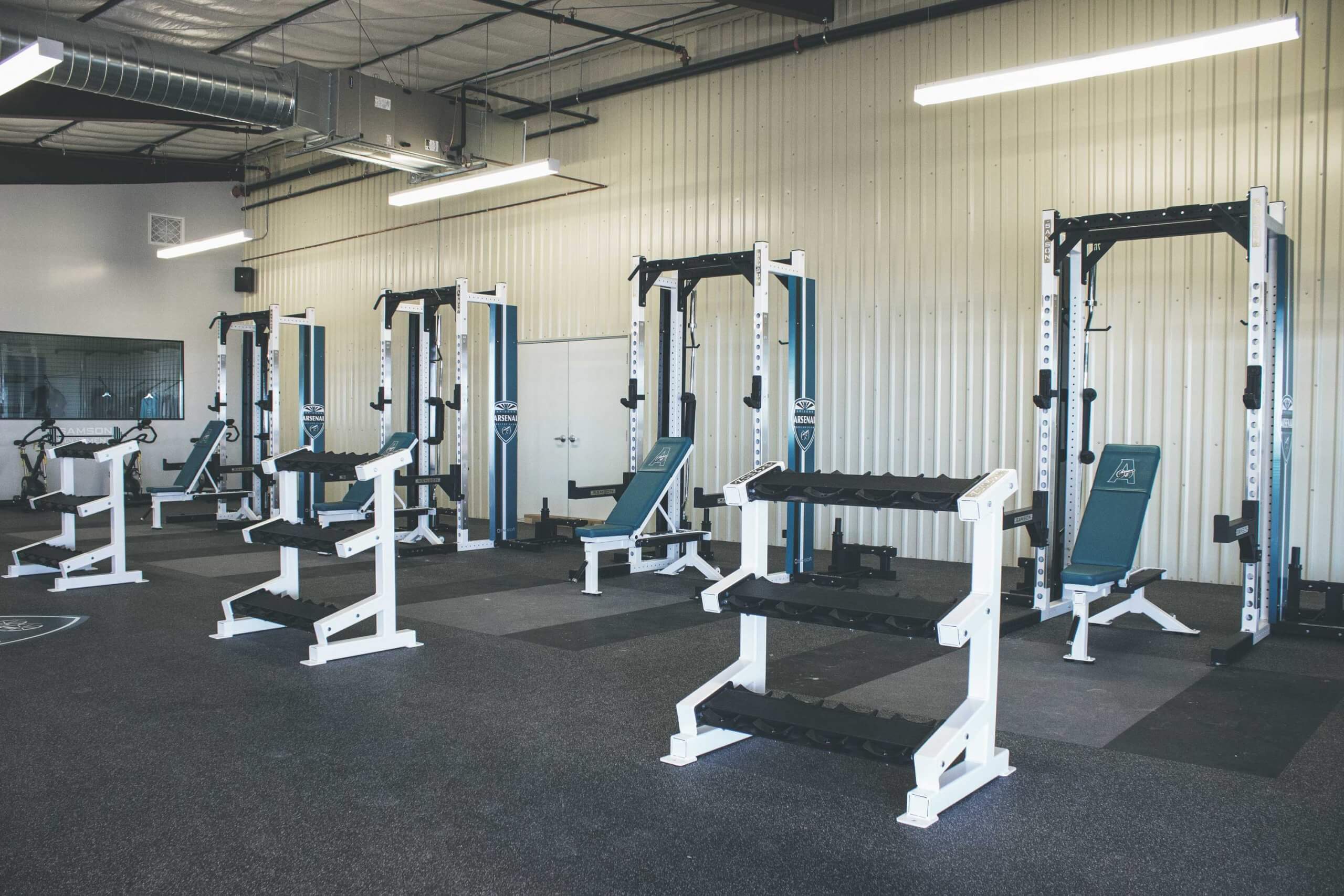
Arizona Arsenal Soccer Club Builds a Club-Owned Strength and Conditioning Home in Mesa, Arizona
Something special is happening in the Arizona desert… and it is bigger than a new set of racks.
Arizona Arsenal Soccer Club has grown into one of the most established youth soccer organizations in the region, with a competitive culture that asks more of athletes than “show up and play.” In a club environment where teams train year-round, travel out of state, and compete at a high level, performance development cannot be an afterthought. It has to be built into the program, into the calendar, and into the facility.
That is exactly what Arizona Arsenal did in Mesa, AZ by building a dedicated, club-operated strength and conditioning facility designed to serve a large athlete population, multiple age groups, and a full weekly training rhythm.
This case study is written for recreational centers, sports clubs, and multi-team organizations that have a familiar challenge: lots of athletes, limited time, and the need to create a system that keeps training consistent, safe, and repeatable, without turning the facility into a bottleneck.
The Challenge: How Do You Train 1,000+ Athletes Without Turning Strength Training Into Chaos?
Sports clubs with many athletes face a different type of facility problem than a single high school team or a private gym.
When a club is supporting dozens of teams across multiple ages, training is not “one group at 3:30.” Training is staggered. Athletes cycle through. Coaches are running sessions back-to-back. Parents want structure and safety. And leadership wants a system that scales without losing quality.
Arizona Arsenal’s facility needed to support:
- High traffic usage across the week and across seasons
- Age-appropriate strength and speed training for youth athletes
- Multiple simultaneous training groups with coaching visibility
- Equipment that can handle wear and tear, while still looking professional
- A branded environment that builds pride and identity for players and families
In other words: it could not be treated like a “small add-on gym.” It had to function like a high-performance department that happens to live inside a club.
The Vision: A Strength and Speed Program That Is Part of the Club, Not a Separate Vendor
Many clubs outsource performance training. The intent is good, but the results can get fragmented. The strength coach is not fully integrated into the soccer calendar. The medical partners are separate. The athlete experience changes from team to team. And training becomes optional rather than cultural.
Arizona Arsenal took a different route by building a club-operated system where strength and conditioning is integrated into the athlete pathway. This includes speed work, strength training, and access to a broader high-performance network.
For multi-team organizations, this is the key insight: when training is built into the club’s structure, it becomes part of player development, not just a nice extra.
That is why the facility needed to feel like Arizona Arsenal, look like Arizona Arsenal, and work like a professional performance space.
Why Facility Design Matters More for Clubs Than Almost Anyone Else
If you run a club, you know the reality: one poorly designed room can create an endless stream of problems.
Too little open space, and warmups become awkward. Not enough stations, and athletes stand around. Poor traffic flow, and sessions run long. Limited coaching sight lines, and safety becomes a concern. Weak equipment, and you are replacing parts while trying to schedule training.
That is why facility planning is not just about what equipment you buy… it is about how the room works in real life.
If you want a deeper planning guide, two internal resources worth bookmarking are Weight Room Design: Designing a Weight Room in 2025 and Weight Room Facility Design 101.
Arizona Arsenal’s build focused on functionality first, then identity, then long-term durability. In that order.
Samson’s Role: Custom Built Equipment and a Process That Starts With “What Do You Need?”
Arizona Arsenal did not need a vendor to show them a catalog and say, “Pick from these.” They needed a partner who could listen, translate program requirements into a build plan, and then execute it without putting artificial limits on the design.
That is the core difference in how Samson approaches large facility projects: it is not about forcing a program to fit the equipment. It is about building the equipment to fit the program.
Arizona Arsenal’s leadership highlighted two things that matter to clubs and rec centers:
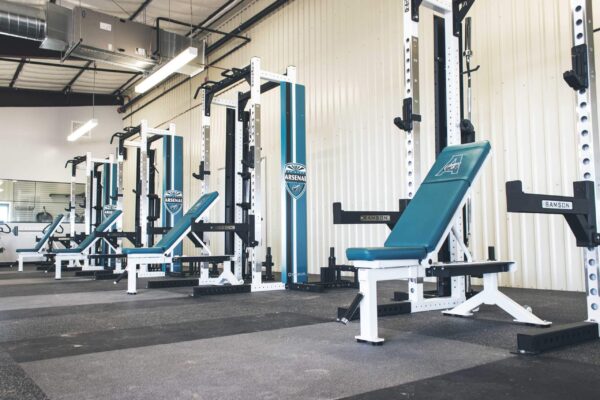
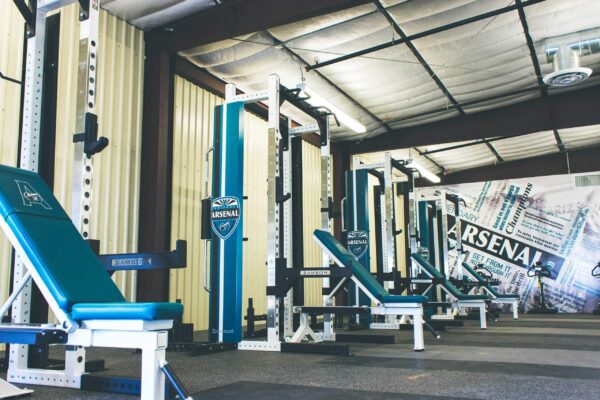
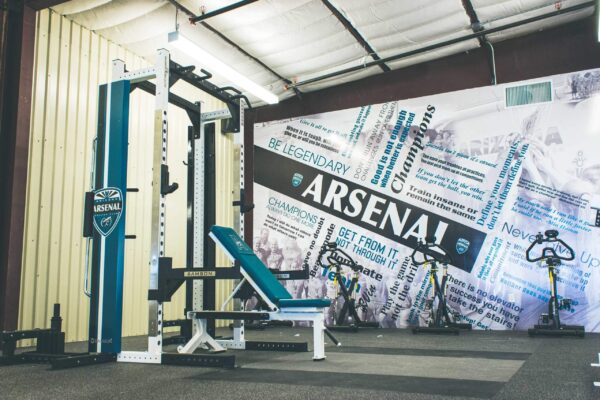
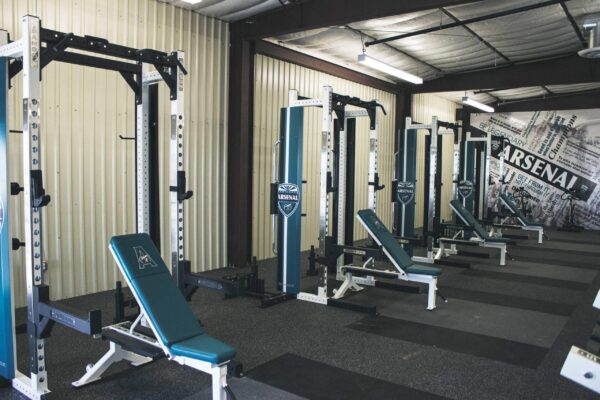
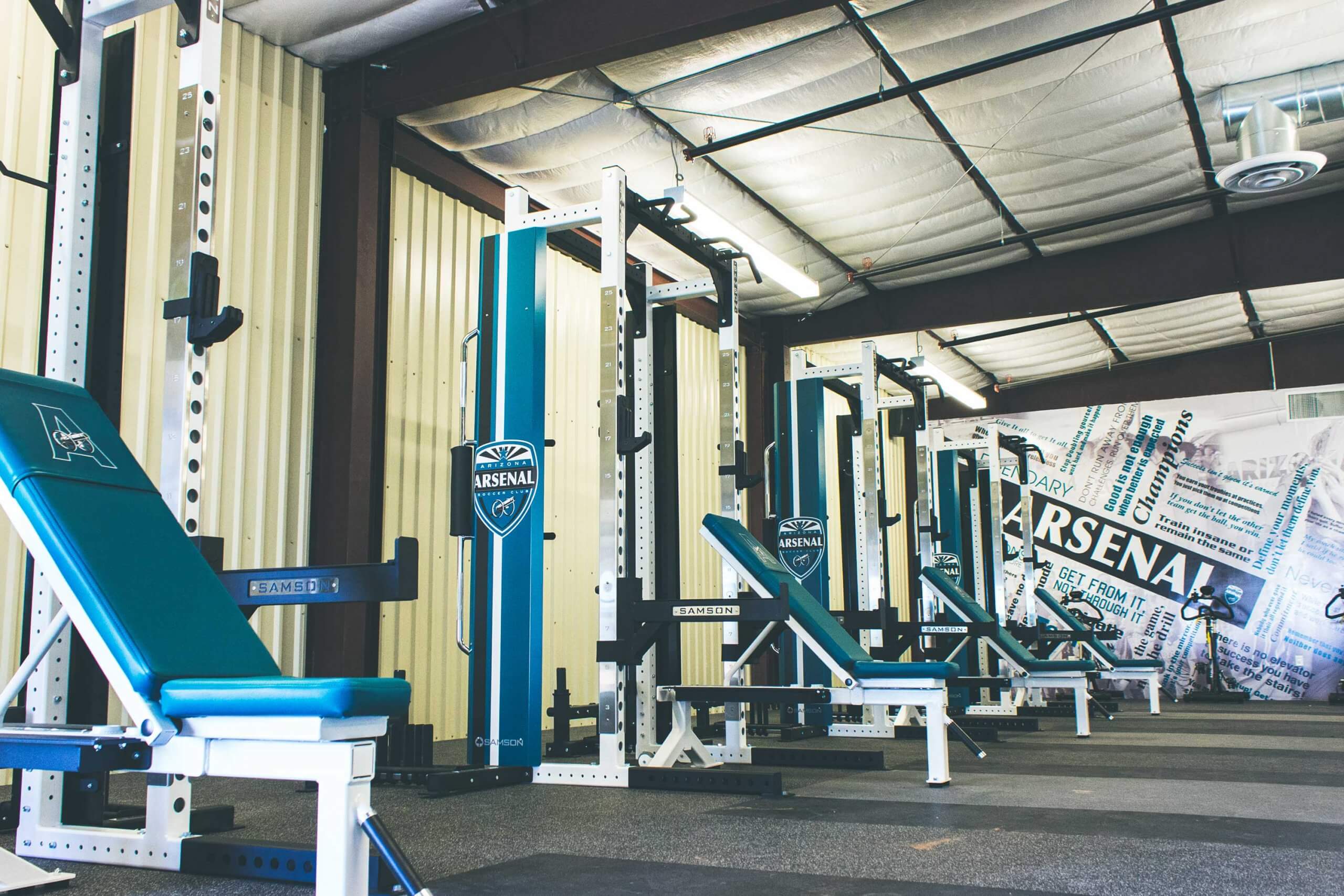
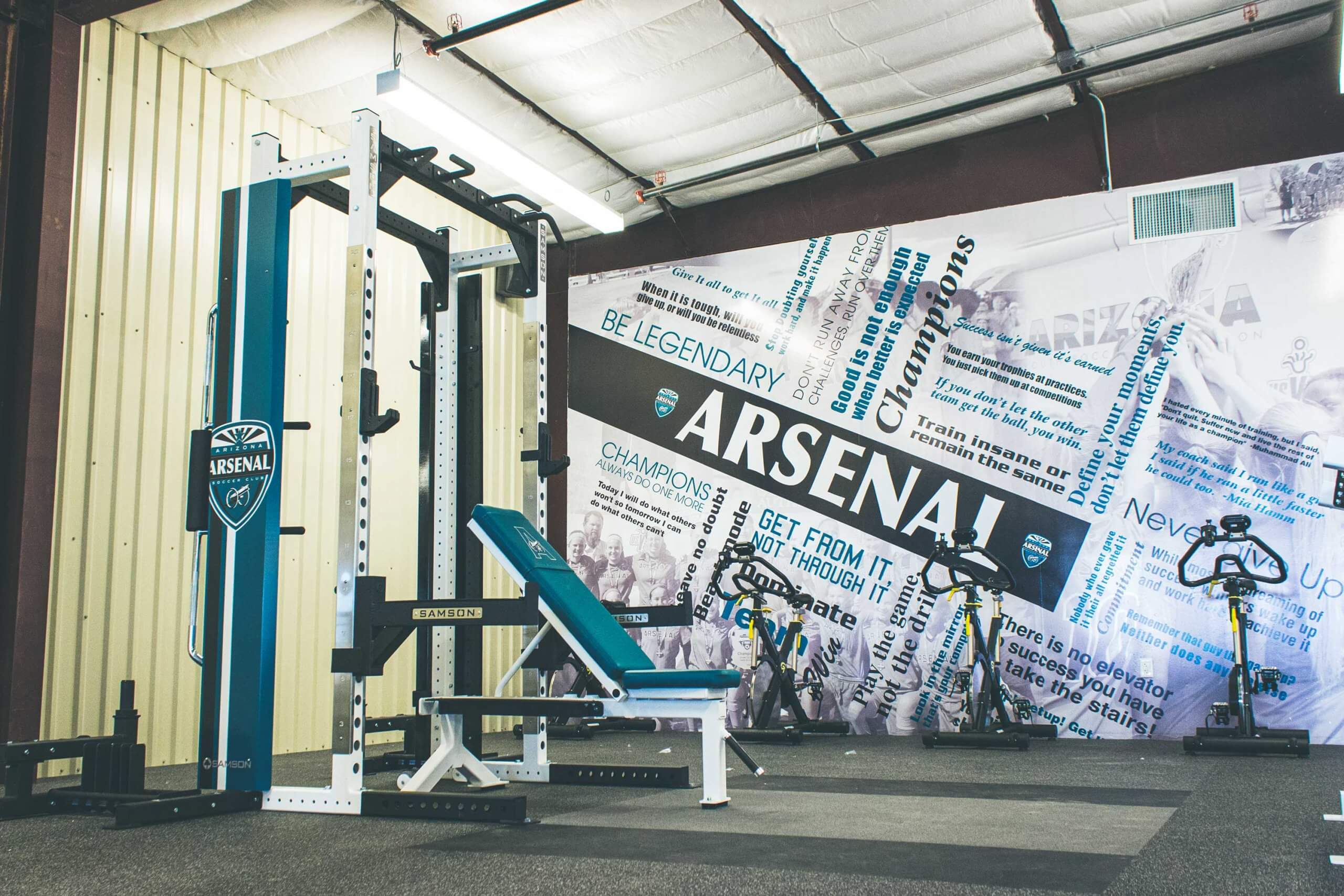
- The branding and logos made the room feel like it belonged to their program, not a generic gym.
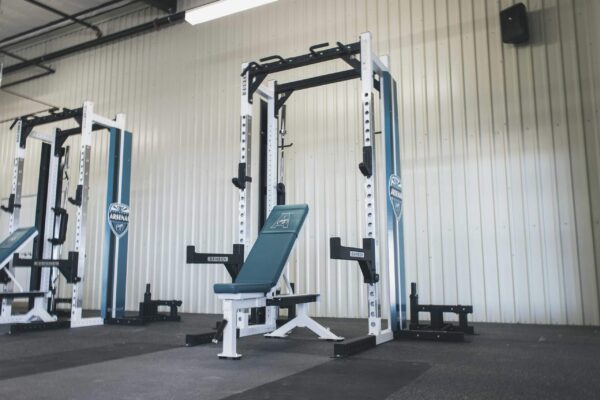
- The power rack stations expanded what athletes could accomplish during their sessions.
For large athlete populations, those two points connect directly to daily operations: identity improves buy-in, and functional stations increase throughput.
Branding That Builds Culture: Logos, Colors, and a Room Athletes Are Proud to Walk Into
In a sports club environment, branding is not a vanity play. It is a culture tool.
When athletes walk into a space that clearly belongs to their club, with consistent colors, marks, and a professional look, they treat it differently. Families talk about it. Recruits remember it. Coaches use it as part of the standard.
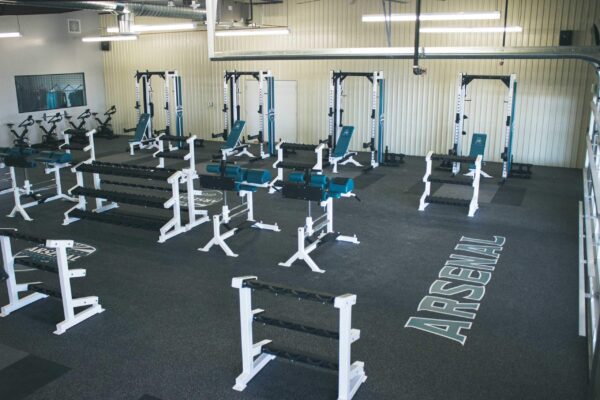
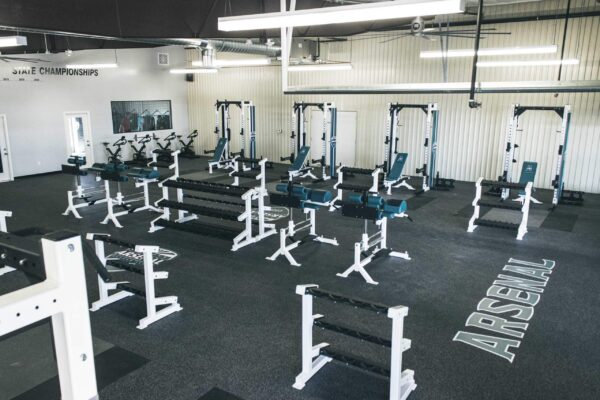
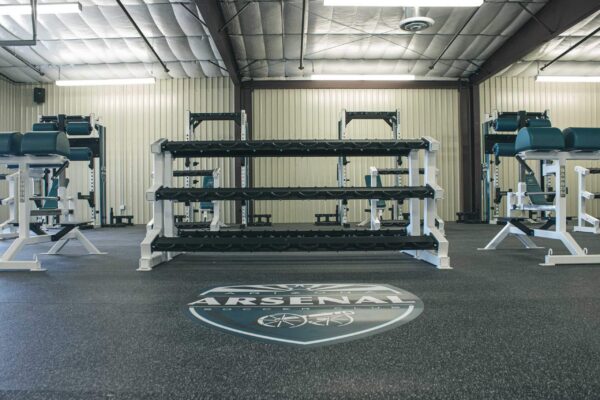
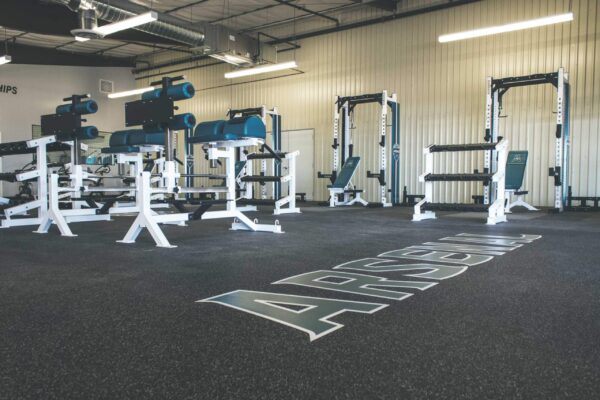
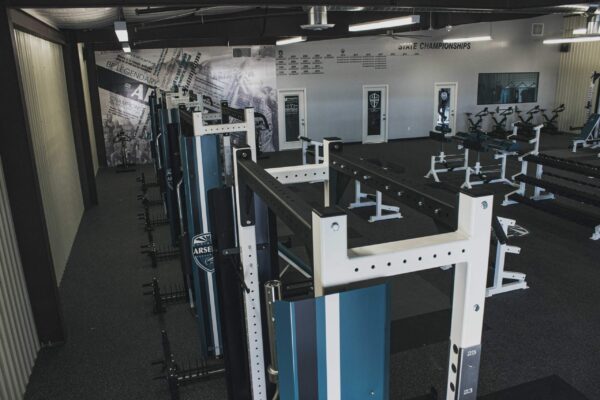
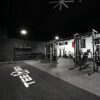
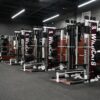
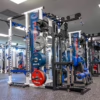
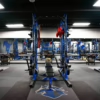
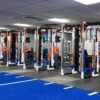
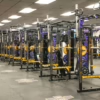
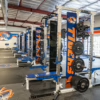
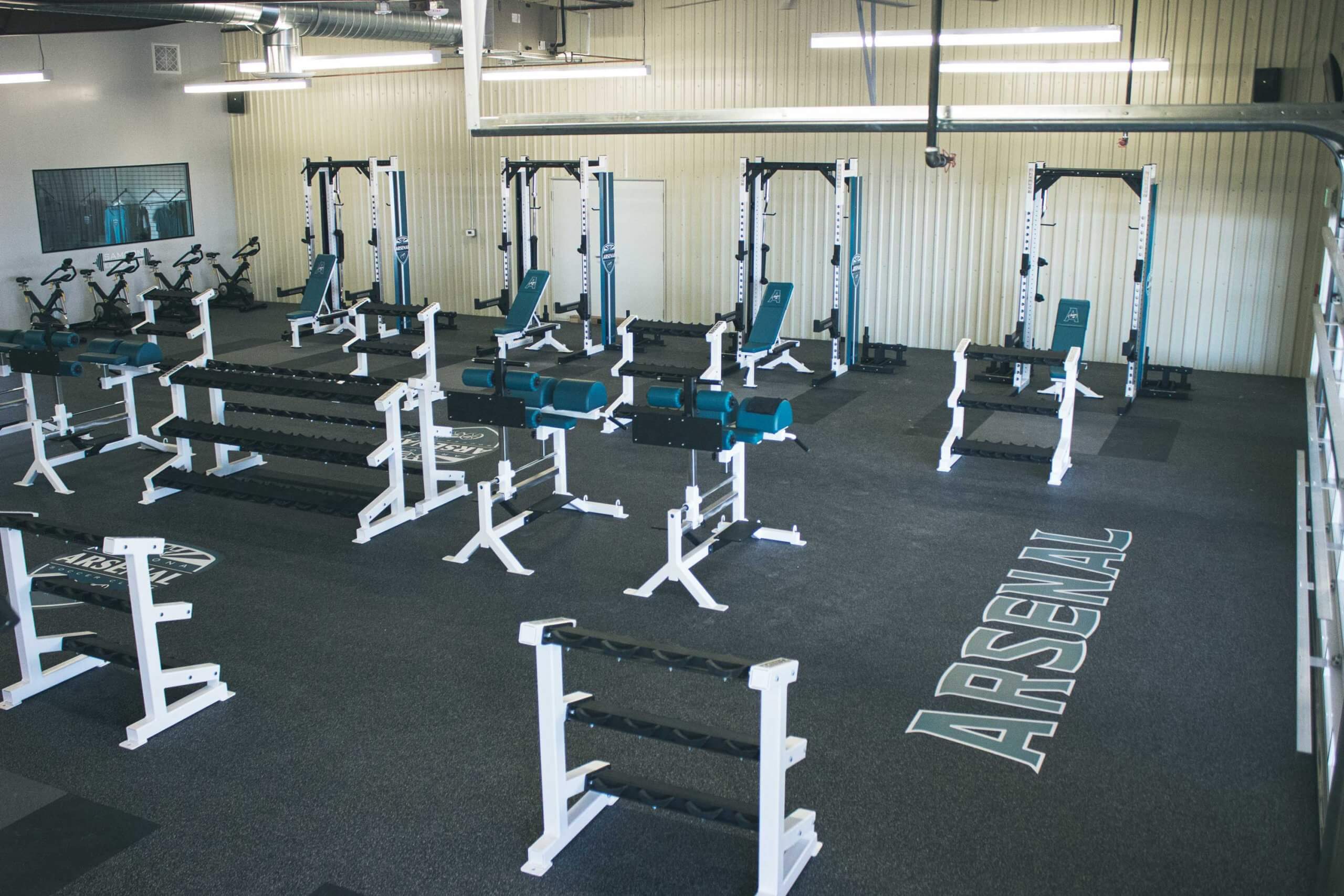
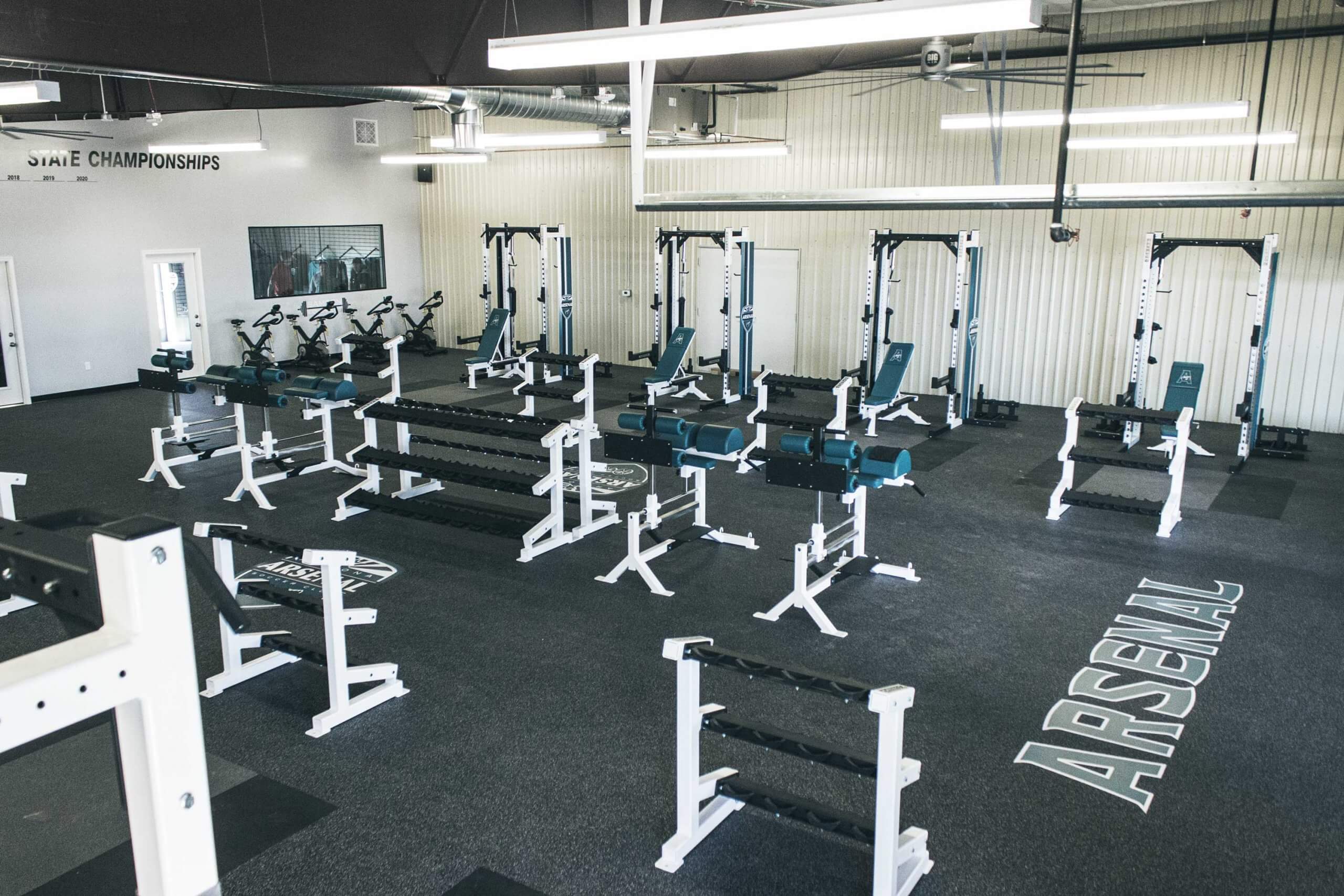
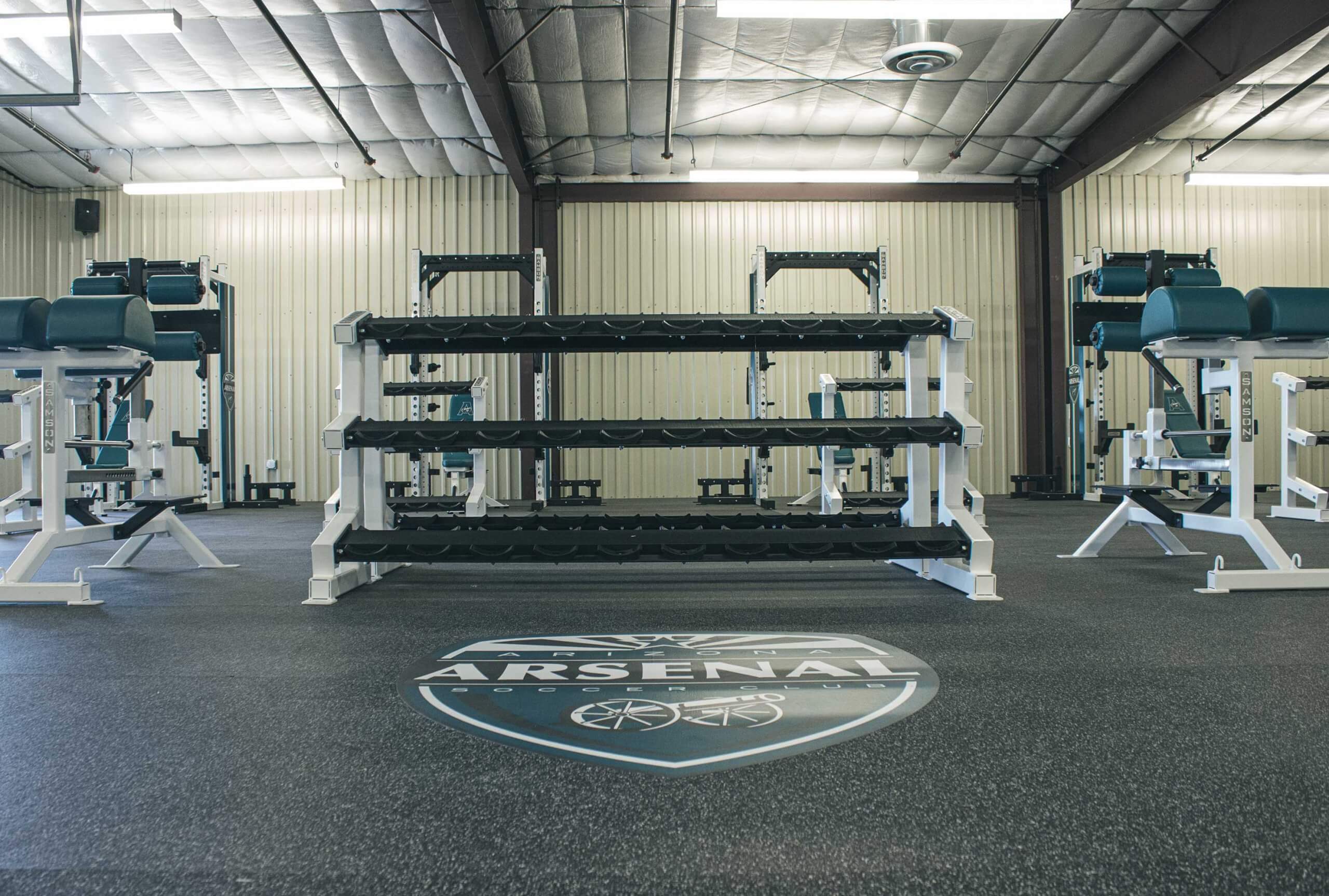
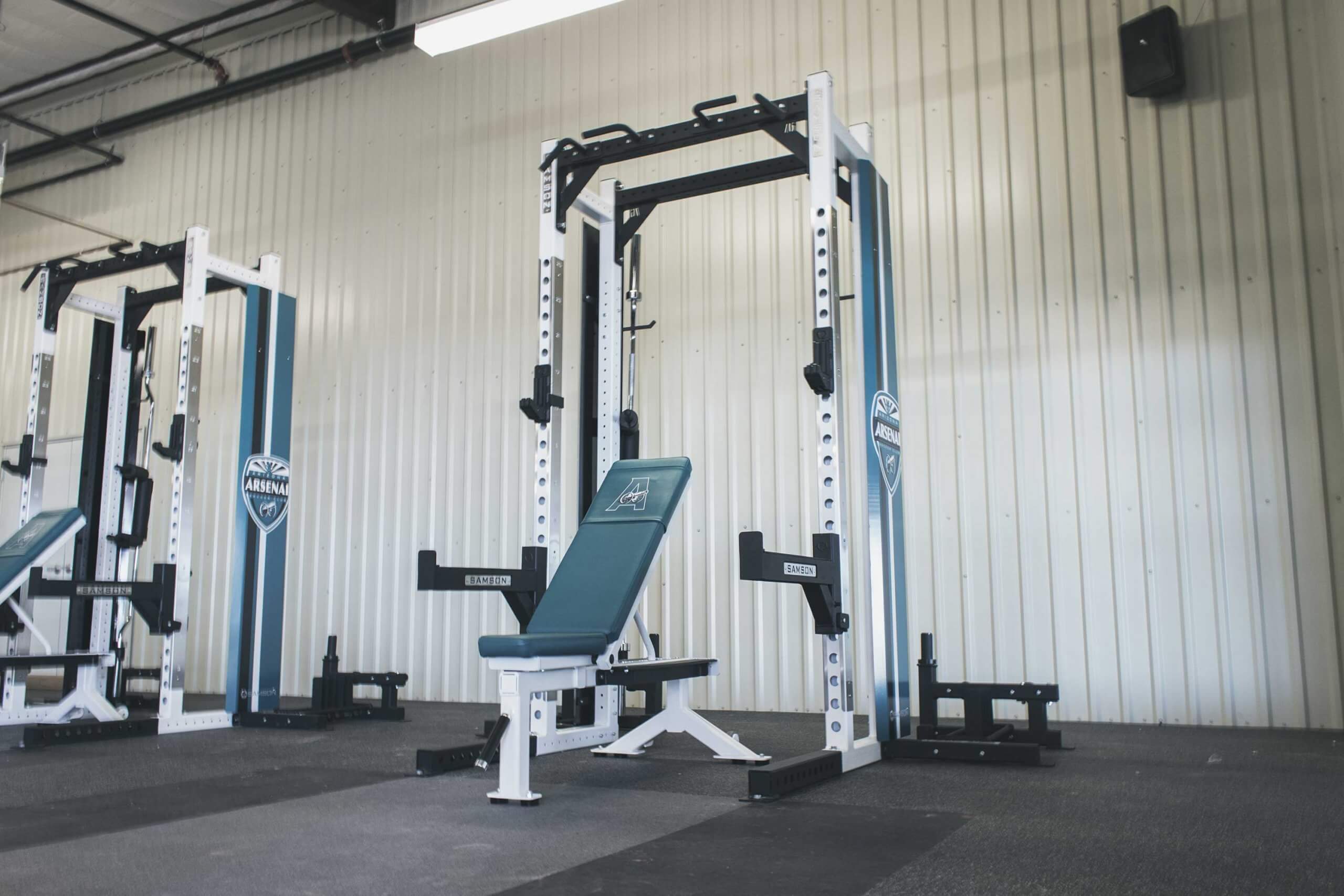
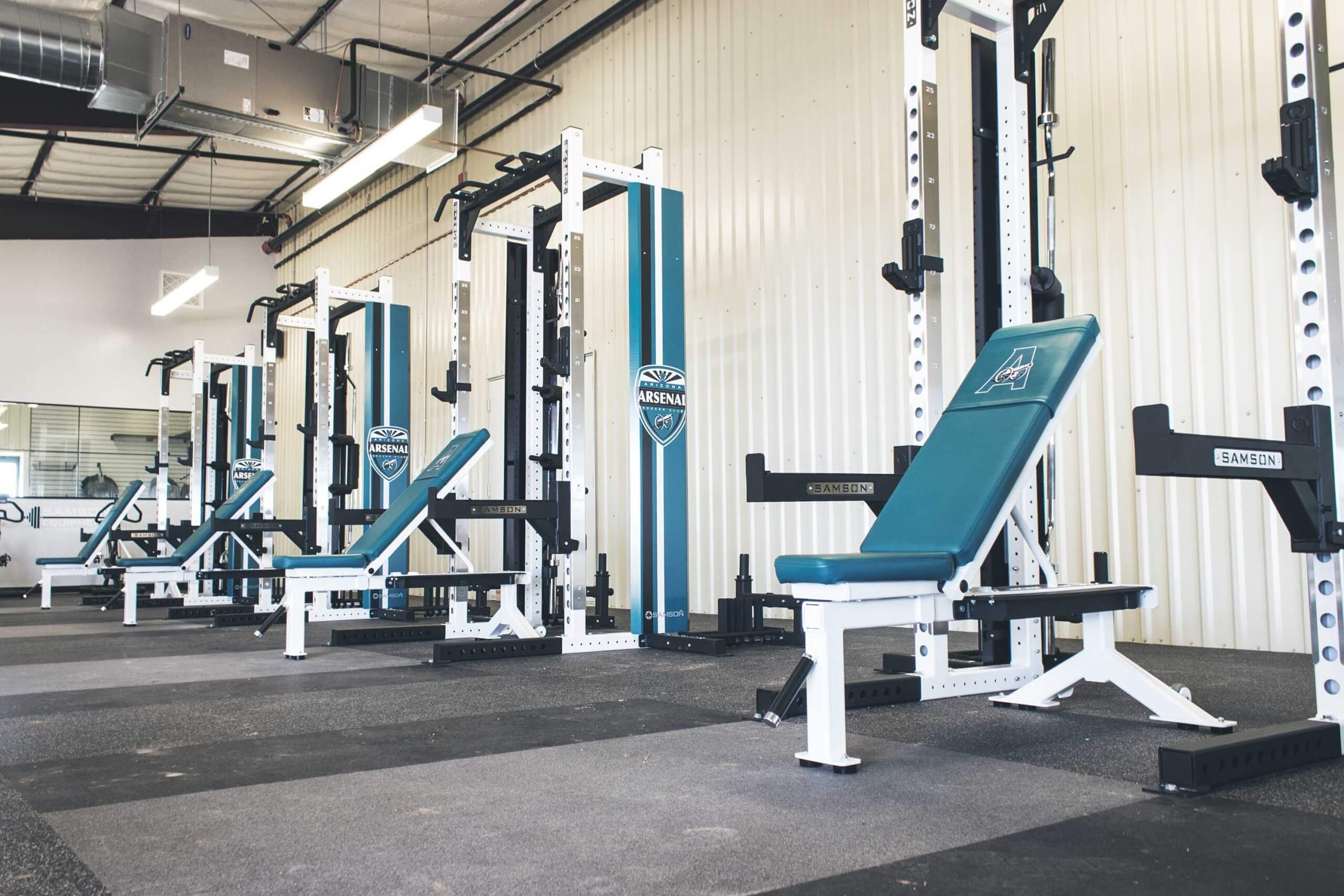
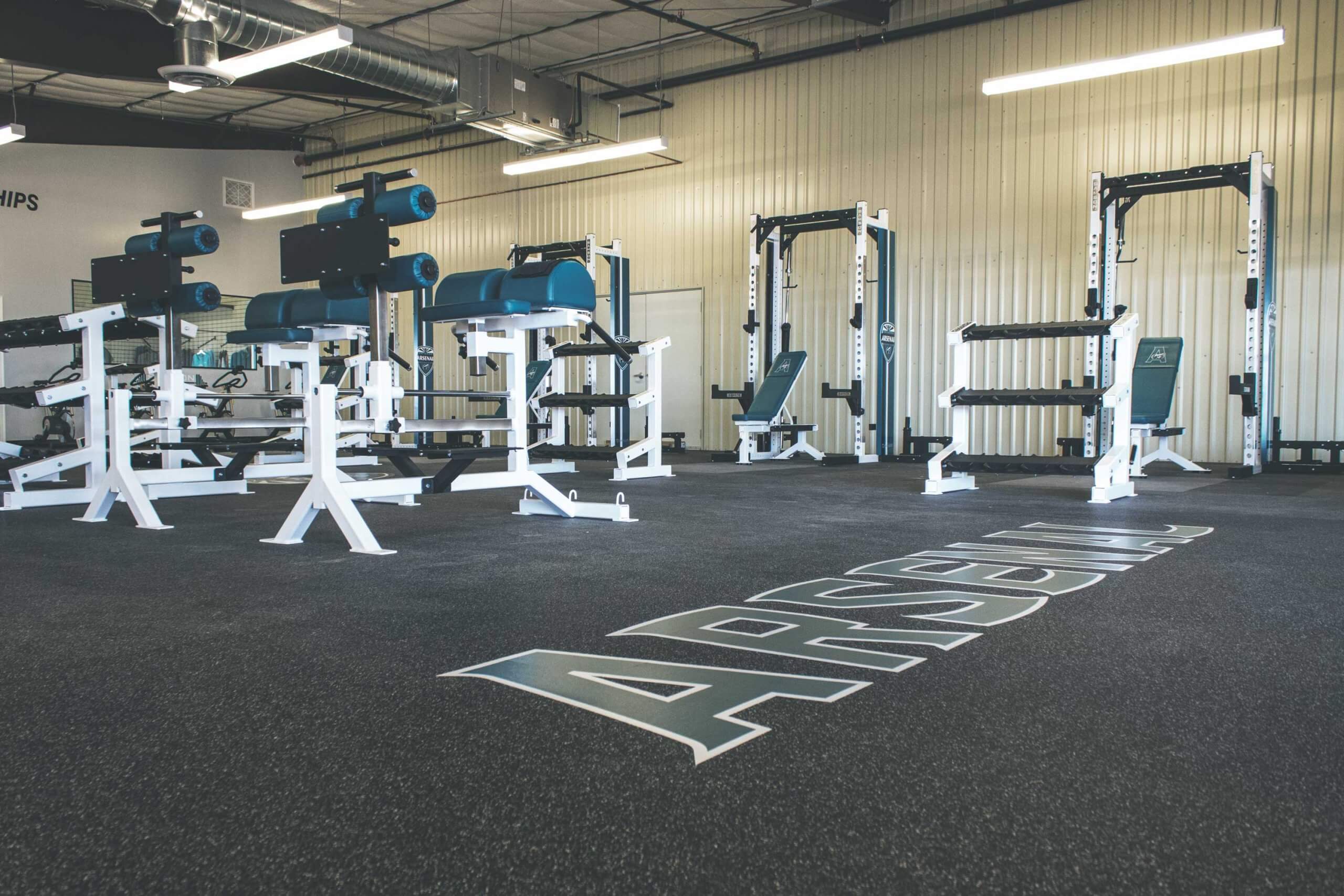
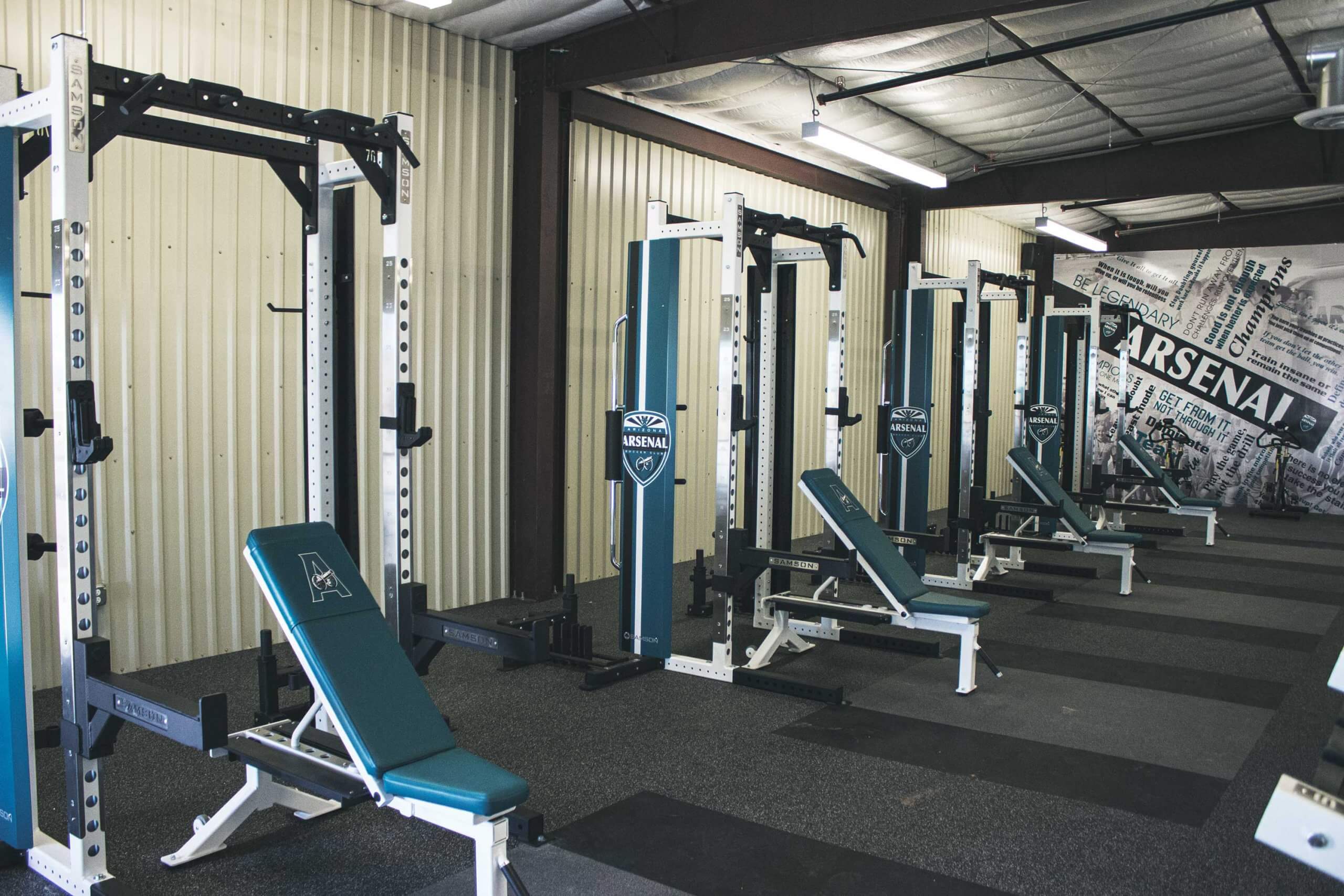
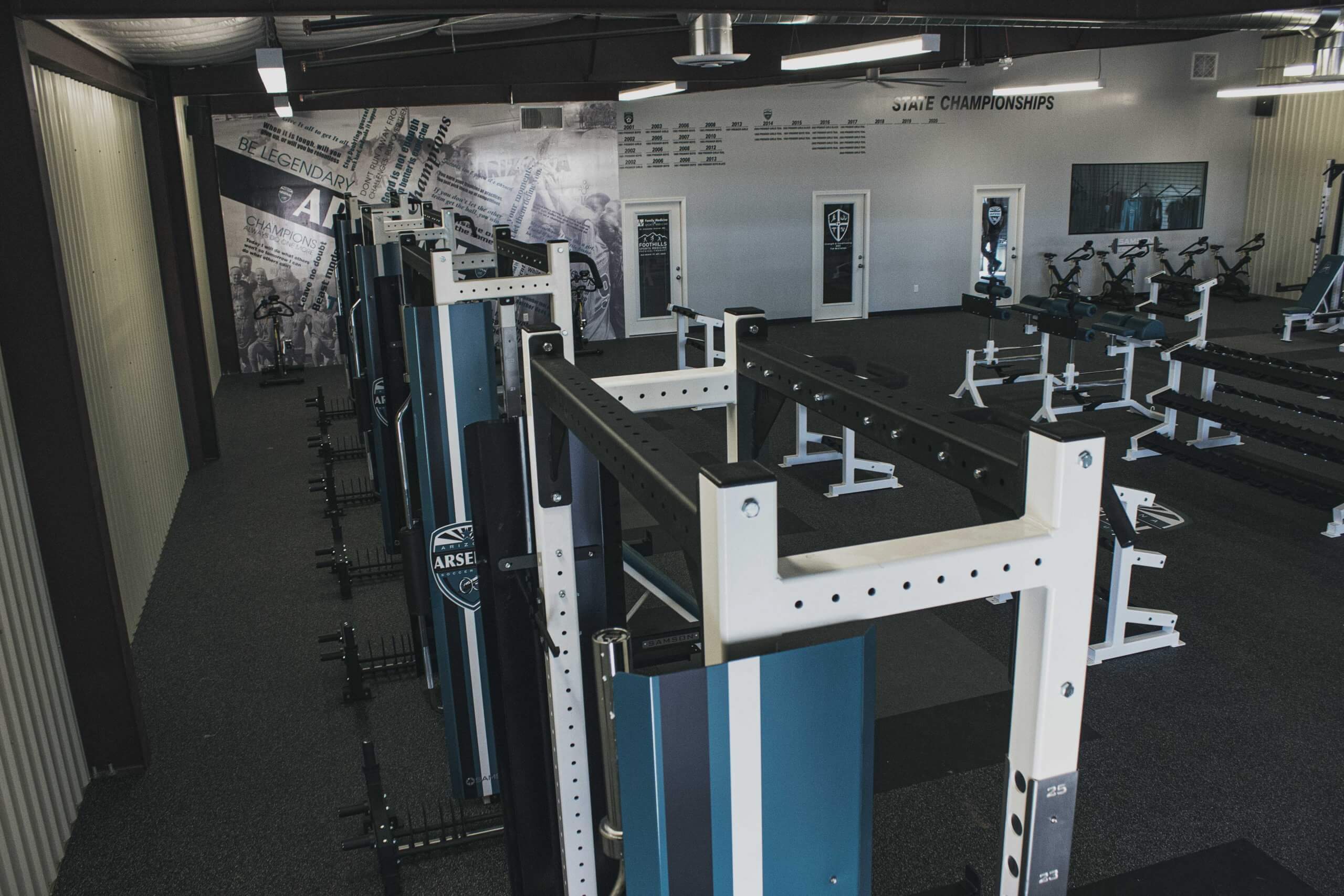
Arizona Arsenal’s weight training facility was built to their specifications and branded with club colors and logos, turning the space into a true extension of the program.
For recreational centers, this is a powerful takeaway: your facility can reinforce your identity every day. It can communicate professionalism, consistency, and pride, without saying a single word.
Built for High Volume Training: Stations, Flow, and Repeatable Sessions
A club facility has to run like a schedule, not like open gym. That means the design must support coaching structure and repeated training blocks.
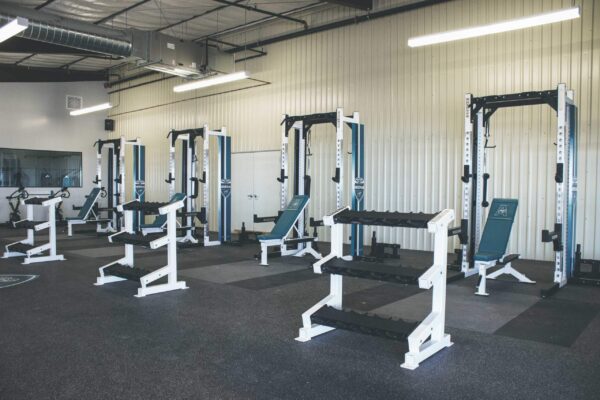
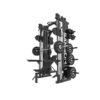
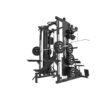
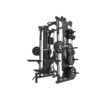
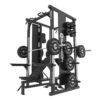
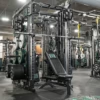
Arizona Arsenal’s training environment needed to support group-based sessions, with athletes rotating through stations efficiently. This is where the “power rack station” concept becomes more than just equipment. It becomes a system.
For high-volume use, a well-planned station layout can help solve common problems:
- Reduced waiting, because athletes have a place to go next
- More coaching control, because groups can be assigned and supervised
- Better time management, because sessions move on schedule
- Cleaner training standards, because setup and execution are consistent
This is especially important when training is offered multiple times per week and is integrated into club operations. The room has to work even when you are not “having a perfect day.”
Supporting the Whole Athlete: Speed, Strength, Health, and Performance Under One Roof
Arizona Arsenal’s approach recognizes what many clubs are realizing: the game demands more than skill alone. Athletes need speed development, strength development, movement quality, and injury prevention.
That is why a modern club training model often includes both a weightroom and a turf area. Together, these spaces allow coaches to run complete sessions that include:
- Movement prep and warmups
- Speed and acceleration work
- Strength training blocks
- Corrective movements and prehab patterns
- Cooldown protocols and recovery habits
For rec centers and clubs, combining these training zones also helps with scheduling. If one group is on turf while another is lifting, you can serve more athletes in the same hour without overcrowding a single space.
Leadership and Expertise: Why Staff Integration Changes Outcomes
Facilities do not create results by themselves. Staff does.
Arizona Arsenal invested in a club-hired strength and conditioning team that is invested in the club, rather than a rotating outside entity. That distinction matters because it supports consistency in:
- Coaching standards and teaching cues
- Progressions by age group
- Communication across coaches and teams
- Long-term tracking and accountability
The club’s Speed and Strength Director, Tim McClellan, is known for high-level performance work across multiple sports. The deeper story here for club owners and rec directors is not the resume line items. It is the operational value of having leadership that can create a program that scales across age groups while staying safe and effective.
A Model That Works for Recreational Centers and Multi-Sport Clubs
Arizona Arsenal is a soccer club, but the model applies to any organization managing many athletes: volleyball clubs, basketball academies, multi-sport facilities, community rec centers with competitive youth programs, and sports performance hubs that serve multiple teams.
If your facility supports many athletes, you are likely dealing with the same pain points:
- Scheduling sessions without facility congestion
- Keeping equipment intact under heavy weekly use
- Maintaining safety and coaching visibility
- Creating a space athletes are proud to use
- Building a repeatable system that does not rely on one coach’s personality
Arizona Arsenal’s facility shows what happens when you build the space around the program instead of forcing the program to squeeze into a generic room.
What This Build Proves: If You Can Dream It, You Can Build It
Arizona Arsenal’s new weight training facility is not just a room with equipment. It is a competitive advantage that supports player development, helps standardize training across teams, and elevates the club’s identity in a crowded youth sports market.
And from a facility leadership standpoint, it proves something important: even if you have a lot of teams, a lot of athletes, and a lot of moving parts, you can still create a high-performance training environment that is organized, durable, and fully branded to your culture.
If you are planning a facility build or expansion, you may also want to explore the Samson Strength Coach Podcast episode featuring Arizona Arsenal’s Tim McClellan: Samson Strength Coach Collective: Episode 045.
For broader context on why this matters for athlete development, here is another helpful internal resource: Why Strength and Conditioning is Important.
About Arizona Arsenal
Arizona Arsenal Soccer Club is based in Mesa, Arizona and provides a high-level youth soccer experience with a competitive pathway for athletes. With extensive programming, coaching, and player development focus, the club continues to invest in the tools and systems that help athletes improve on and off the field.
Project Location
Mesa, Arizona: View on Google Maps