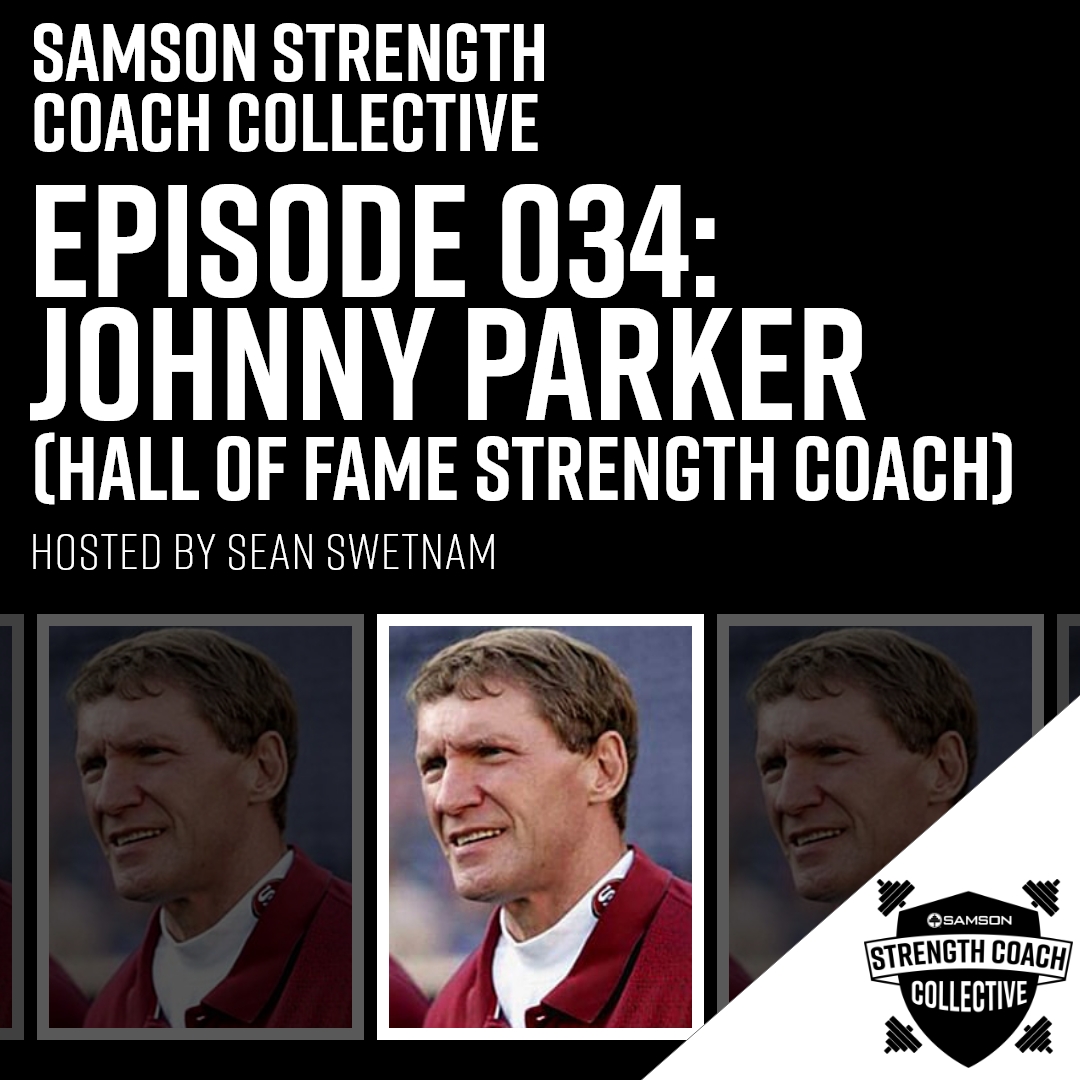
Sean Swetnam leads this conversation with Hall of Fame strength and conditioning coach Johnny Parker, one of the foundational figures in modern football performance. For coaches who want more than trends and talking points, Episode 034 remains a valuable listen because Parker represents an era when strength staffs had to prove that the weight room could directly improve team performance, reduce injuries, and shape competitive culture. His career stretched from the college ranks to some of the most respected teams in professional football, and his influence is still visible in how coaches think about explosive training, long-term planning, and daily accountability. If you work with football players, tactical athletes, or any team that depends on disciplined physical preparation, this episode offers enduring perspective.
Parker’s resume explains why so many coaches still study his work. He coached at South Carolina, became the first strength and conditioning coach in Big Ten history at Indiana, and later held major roles at LSU and Ole Miss before moving into the NFL. There he helped guide the New York Giants, New England Patriots, Tampa Bay Buccaneers, and San Francisco 49ers, contributing to teams that reached four Super Bowls and won three. He also spent time studying Soviet weightlifting methods and adapted those lessons for American team sports, helping popularize a more thoughtful approach to periodization, explosive movement, and year-round athlete preparation.
Why Johnny Parker Still Matters to Strength Coaches
Modern strength and conditioning is full of technology, dashboards, testing systems, and performance language that can make simple ideas sound complicated. Parker’s career is a reminder that the best programs still come back to fundamentals: train movements that matter, coach effort and intent, build physical qualities in a logical sequence, and create standards that the entire team understands. That is part of what makes this episode worth revisiting years after it was published. Parker’s background covers multiple eras of football performance, from the early days of organized weight-room culture through the fully professionalized NFL environment, so his perspective is not tied to one fad, one device, or one trend cycle.
His coaching path also reflects the growth of the profession itself. In the 1970s and 1980s, strength coaching was still fighting for credibility in many programs. Parker was one of the coaches who helped demonstrate that structured physical preparation could be a competitive advantage instead of just an offseason add-on. He built programs for athletes who needed to be stronger, faster, more durable, and mentally tougher, but he did it with a clear understanding that the weight room had to support football rather than become its own separate sport. That practical mindset is a major reason his work still resonates with coaches responsible for balancing performance, recovery, roster management, and the realities of a long competitive year.
Another reason Parker’s work still resonates is that he was never only talking about sets, reps, and exercises. The best veteran strength coaches understand that the room is also a leadership environment. Standards, punctuality, body language, competitiveness, consistency, and attention to detail all show up there before they show up on game day. Parker’s reputation was built not only on physical results, but on the structure and accountability he brought to teams. For young coaches, that is one of the most important lessons available in this episode: a training program is only as strong as the culture that carries it out every day.
Big Themes Behind Episode 034
What makes this episode especially useful for the Samson Strength Coach Collective archive is that Parker’s career gives listeners a bridge between old-school toughness and sophisticated programming. He is often associated with hard standards, but his body of work also points to thoughtful planning. Coaches who know Parker’s influence know that he valued explosive training, multi-joint movements, and football-relevant preparation. He also invested in learning, including his study of Soviet training systems, which helped him think about how to organize workloads and adaptations over time instead of treating every week as a random collection of hard workouts.
That combination matters. It is easy for coaches to drift toward one extreme or the other. Some programs become all intensity and no structure. Others become so focused on planning and monitoring that the competitive edge gets softened. Parker’s example suggests that the highest level of coaching demands both. Athletes need a clear roadmap, but they also need honest expectations. They need progression, but they also need standards. They need a program that respects sport demands, yet they also need someone in the room who can challenge complacency and demand quality reps.
This episode also matters because Parker worked with championship teams that had to perform under pressure. When coaches hear from someone who helped prepare Super Bowl winners, what they are really hearing is perspective on sustainability. Talent matters, scheme matters, and timing matters, but physical preparation remains one of the clearest ways a staff can influence a roster over the course of a season. Durability, repeat power, movement quality, and work capacity all affect whether a team can hold up when the year gets long. Parker’s long career suggests that successful preparation is rarely flashy. It is usually built through repeated execution of the right ideas.
Practical Takeaways for Today’s Coaches
There are several reasons a current high school, college, private-sector, or professional coach can still get value from this conversation. First, Parker’s story reinforces the importance of coaching the athlete in front of you instead of chasing borrowed programming from a different environment. A football team does not need to train like a weightlifting club, but it can still learn from systems that develop power, timing, and progression. Second, the episode is a strong reminder that credibility is built over time. Coaches earn trust through consistency, clarity, and visible care for the people they train.
Third, Parker’s background highlights the value of learning across disciplines. The strongest coaches are rarely closed off to outside ideas. Parker’s willingness to study international training methods and adapt them for football is a useful model for any coach navigating today’s overloaded information environment. The goal is not to copy everything. The goal is to filter what works, understand why it works, and apply it in a way that makes sense for your athletes, your schedule, your roster, and your sport.
Fourth, this episode is a good listen for coaches trying to lead younger athletes who have endless access to information but not always the experience to separate substance from noise. Parker came from a generation that valued plain language, direct expectations, and earned respect. That does not mean every coach has to mimic his style exactly. It does mean there is value in stripping performance coaching back to its essentials: define what matters, explain it well, reinforce it daily, and hold the line when standards start to slip.
- For football coaches: Parker’s career shows how physical preparation supports roster durability, explosiveness, and in-season readiness when the competitive calendar gets demanding.
- For collegiate strength staffs: His example reinforces the need to align the training plan with sport demands, coaching philosophy, and the realities of a long academic and athletic year.
- For private-sector coaches: The episode offers a useful reminder that real results come from progression and accountability, not from novelty alone.
- For young assistants: Parker’s path shows that the profession rewards coaches who study, teach clearly, and stay committed to standards over the long term.
Why This Conversation Fits the Samson Audience
The Samson Strength Coach Collective has always been strongest when it gives coaches access to real practitioners with long track records. Parker fits that mission perfectly. He is not simply a recognizable name from the past; he is a coach whose career helped shape how many performance staffs still think about training today. Listeners who care about athlete development, football preparation, and the long-term craft of coaching will find real value in hearing his perspective alongside the rest of the conversations in the Samson podcast library.
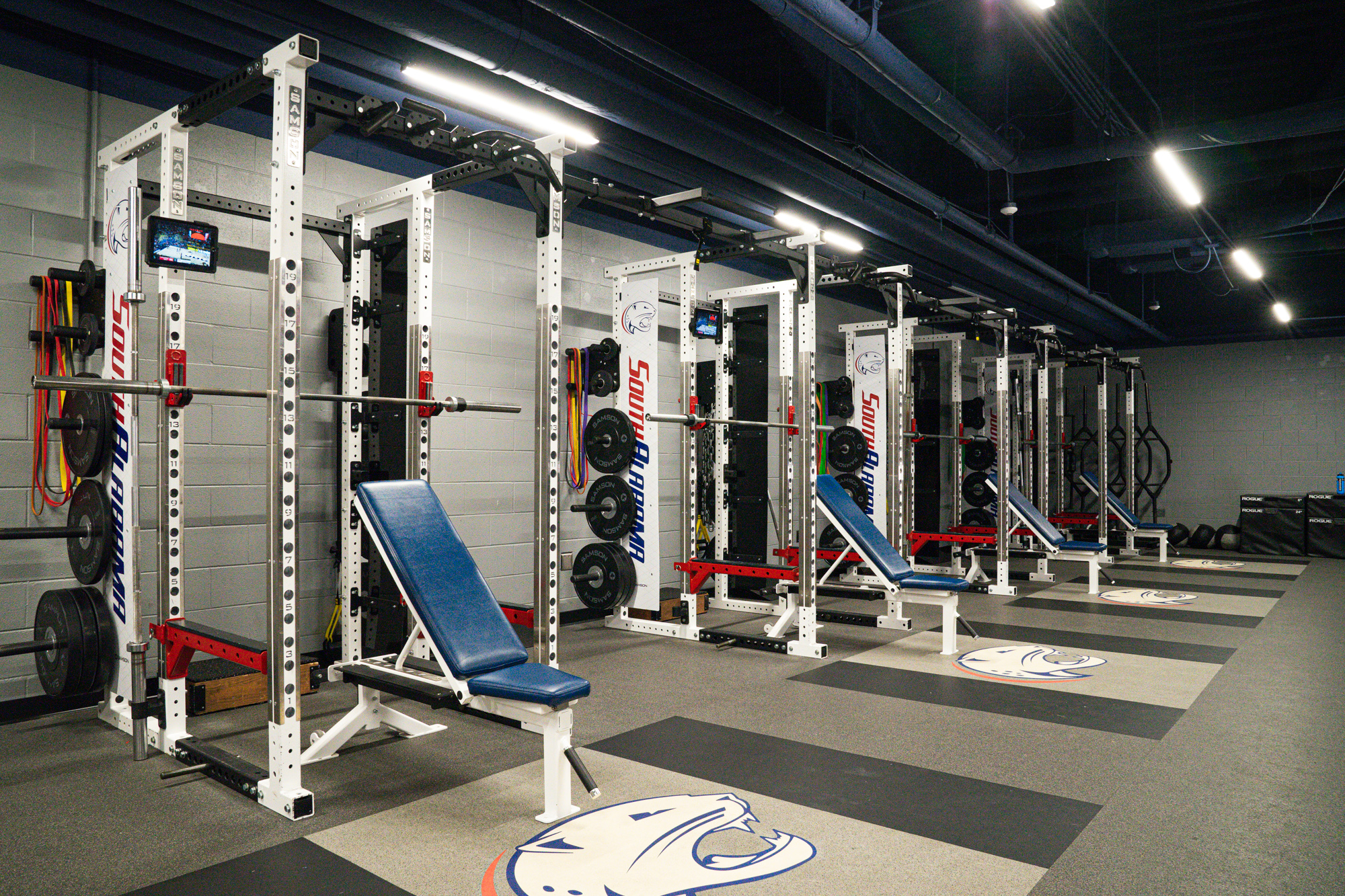
There is also a natural connection between Parker’s philosophy and the type of facilities Samson helps build. Serious programs need more than square footage and equipment count. They need an environment that supports repeatable training, coach oversight, athlete flow, and daily standards. Whether a staff is training football players, baseball athletes, tactical groups, or general student-athletes, the room itself should help reinforce consistency. That is one reason so many performance professionals spend time thinking not just about exercises, but about layout, traffic, station design, and the durability of the tools they use every day.
If you are building or upgrading a training environment, it is worth exploring Samson’s strength equipment lineup and the real-world facilities the company has created for high schools, colleges, professional organizations, and private training spaces. Great coaching always comes first, but good equipment and a smart room layout make it easier to deliver that coaching consistently. Parker’s career is a reminder that the training environment should serve the demands of the sport and the standards of the staff.
Episode 034 Is Still Worth Your Time
Johnny Parker’s career spans the rise of modern strength and conditioning from a developing specialty into a central part of competitive sport. That alone makes this episode historically valuable. More importantly, it remains practically useful. Coaches who listen closely will hear the mindset of someone who spent decades refining what matters most: relevant training, high standards, disciplined progression, and a relentless commitment to team success. Those ideas are not outdated. They are the reason the best programs still work.
If you have not listened to this conversation yet, Episode 034 is a strong place to spend an hour with one of the profession’s true builders. And if you have heard it before, it is the kind of episode that rewards a second listen, especially for coaches who are trying to sharpen their programming, strengthen their culture, and lead athletes with more consistency.