Combo Bench + Spotters: Safer, More Efficient Pressing Stations for Teams
Bench press training is a staple for many athletic programs, but in team environments the challenge is not just “having a bench.” The challenge is running pressing stations safely, efficiently, and consistently when many athletes rotate through the room. That requires reliable equipment, predictable setups, and clear standards for spotting and station flow.
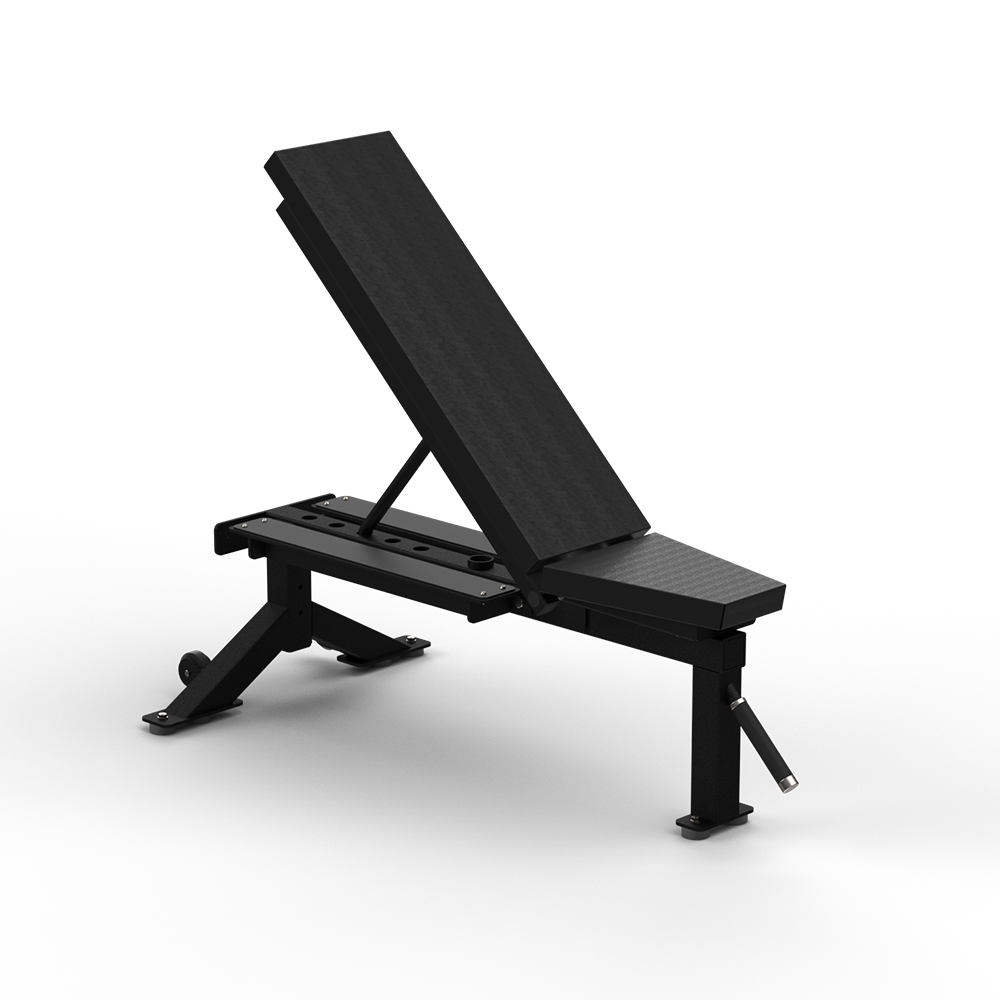
The Samson combo bench with spotters is designed to support structured team training by providing a dedicated pressing station with spotting support. In busy facilities, stations like this help coaches manage risk while keeping athletes moving through training blocks.
Why spotter support matters in institutional weight rooms
In a single-user home gym, an experienced lifter may manage risk through careful loading and controlled reps. In a school or team facility, you have a wide range of training ages and technique quality. Spotter support helps standardize safety across athletes and reduces the chance of avoidable incidents during pressing sessions.
Benefits of dedicated spotter support
- Improved safety: consistent spotting positions and support reduce risk under fatigue.
- Better coaching control: coaches can enforce standards more easily with consistent stations.
- Faster group flow: fewer “setup problems” means smoother rotations.
- Higher athlete confidence: athletes press better when the environment feels stable and safe.
Spotting standards that work at scale
In large groups, the biggest risk is inconsistency: athletes spot differently, communicate differently, and load differently. Many programs reduce risk by standardizing the basics, simple, repeatable rules that apply to every station.
Common bench-press station standards
- Clear commands: lifter communicates “take it” and “help” consistently.
- Hands ready, not touching: spotters stay prepared without interfering with reps.
- Even loading: plates are loaded symmetrically and collars are used.
- Rack height baseline: stations start in a consistent rack-height position.
When equipment supports these standards, and the room layout keeps lanes clear, coaches can supervise more athletes with less chaos.
How to plan pressing stations for team throughput
Team sessions often run on rotations. If pressing is part of the block, you need enough stations so athletes aren’t waiting, and you need each station to be consistent so coaching cues and safety standards apply everywhere.
Planning considerations
- Group size: how many athletes are in the room at peak times?
- Rotation design: how many stations are active at once?
- Bench lane space: do you have a clear lane for benches that doesn’t interfere with rack traffic?
- Storage and reset: where do bars, collars, and plates live for each station?
Samson can help plan station counts and layout based on your schedule and coaching approach. Start here: Start Your Free 3D Layout Design.
Build a complete bench lane
Bench stations work best when they are part of an intentional bench lane that includes multiple options for program variety: flat pressing, incline work, specialty benches, and accessory stations. This lane is often where upper-body volume is built while racks are used for primary lower-body work.
Explore additional bench equipment: Weight Benches.
What to place near bench stations
Bench stations run smoother when the supporting items are close by. Many facilities place collars, small plates, and appropriate storage near the bench lane so athletes don’t cross the room to complete a set-up.
- Collars: one set per station to prevent sharing bottlenecks.
- Storage: clear homes for plates and accessories keeps walkways open.
- Pulling options: nearby rows/pull-ups help balance pressing volume in circuits.
When these small items are missing or far away, the bench station becomes the slow point in a rotation. A “complete station” mindset helps keep teams moving.
Coaching and operations: keep the station consistent
A well-designed pressing station supports consistent habits. Many facilities use simple operational standards such as:
- Load rules: athletes load evenly and check collars before each set.
- Spotting rules: defined hand positions and clear communication cues.
- Reset rules: bars return to the same height and plates return to storage after the block.
- Traffic rules: clear approach lanes to avoid bumping active lifters.
When stations and standards match, coaching becomes easier and sessions run smoother, especially at scale.
Maintenance and longevity in high-use rooms
Bench stations get constant contact, bars re-racked, athletes moving in and out, and equipment used across multiple groups per day. Simple upkeep habits help equipment stay professional and reduce long-term costs.
- Daily wipe-downs: keep upholstery and touch points clean.
- Weekly hardware checks: verify bolts and attachments stay tight under volume.
- Reset rules: athletes return plates, bars, and collars to the correct locations.
- Define walkways: keep lanes clear so athletes don’t bump active lifters.
When bench stations are maintained and reset consistently, coaches can run pressing blocks with fewer interruptions and less staff time spent on “room management.”
Ordering guidance and support
If you’re building a new facility or upgrading your pressing area, Samson can help you choose the right station mix and quantity to match your teams. The goal is a room that works under real use, not just in a brochure.
For pricing and recommendations: Contact Samson Equipment.
FAQs: combo benches with spotters
Do we still need to coach spotting technique?
Yes. Equipment supports safety, but coaching and standards are still essential in team environments.
How many bench stations should we plan?
That depends on group size and rotation plan. A layout-first design helps estimate station counts and spacing.
Can Samson help design our bench lane and traffic flow?
Yes, facility design support is a key part of Samson’s service.
How do we avoid bench-station bottlenecks?
Plan enough stations for peak group size, keep collars and storage at each station, and build a clear bench lane that doesn’t intersect rack traffic.
Should we pair bench stations with pulling stations?
Many programs do. Pairing presses with rows/pulls helps balance weekly upper-body volume and can make circuits more efficient.
Request Pricing and Layout Support
Improve safety and efficiency during pressing sessions with dedicated stations built for institutional training. To plan your bench lane and facility layout, contact Samson.
Ordering, support, and facility planning
In a high-volume facility, the right equipment is only part of the solution. Planning station counts, storage, and traffic flow helps teams train efficiently and keeps equipment in better condition long-term. If you’re building a new room or upgrading an existing space, Samson can help you choose the right mix of stations and accessories so the room works under real training volume.
For help selecting options, confirming fit, and building a complete equipment list, reach out here: Contact Samson Equipment. If you’re planning a full room layout, you can also start a free design conversation here: Start Your Free 3D Layout Design.
Quick FAQ
- Who is Samson equipment built for? Samson serves institutional facilities such as schools, colleges, teams, municipalities, and tactical organizations.
- What is the typical manufacturing lead time? Orders typically take about 10 weeks to manufacture, depending on design complexity.
- Does Samson provide layout and 3-D design support? Yes, Samson uses two- and three-dimensional layouts to help plan station counts and room flow.