Product Specifications
| Dimensions | N/A |
|---|
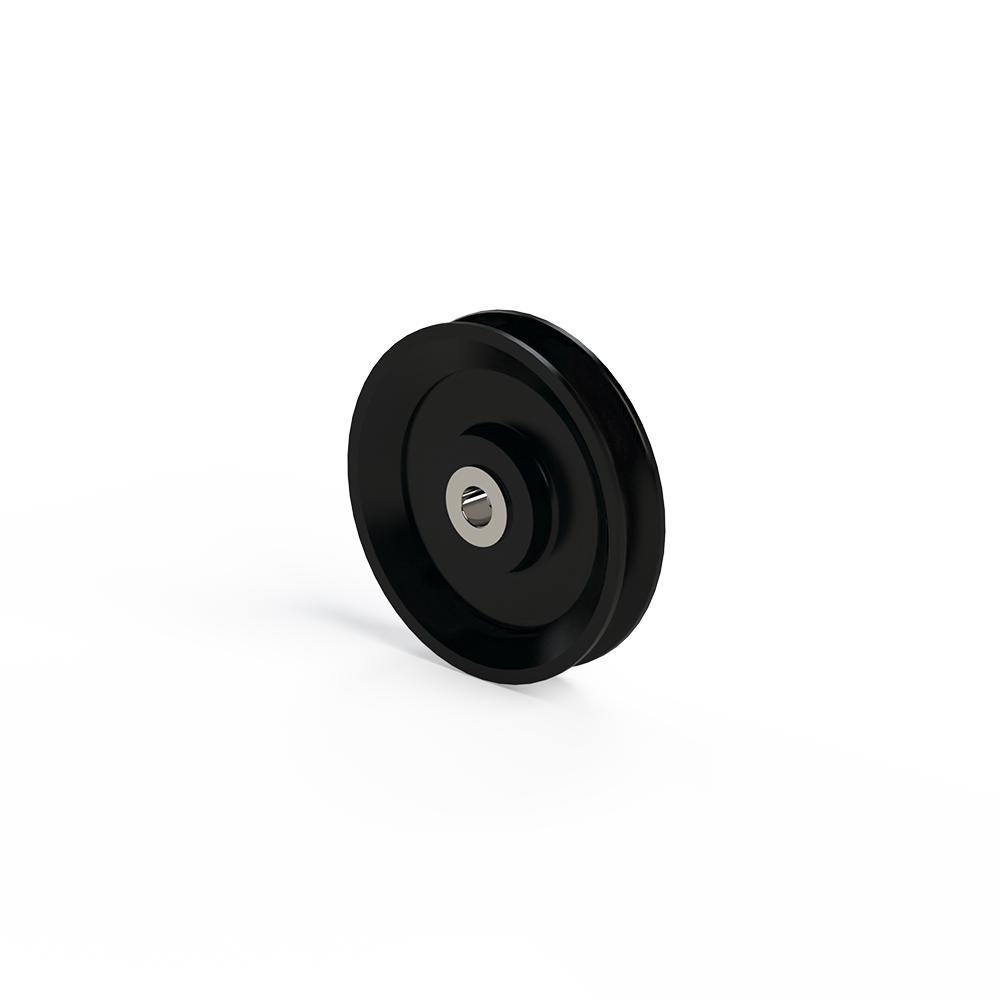
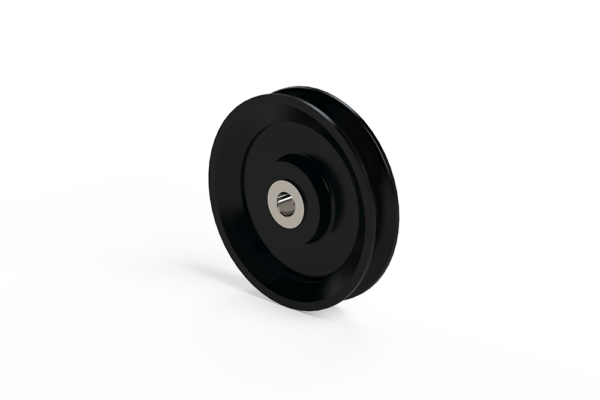
4.5" Pulley: Reliable Cable Movement for High-Use Training Equipment
Cable systems are everywhere in institutional training rooms, functional trainers, lat pulldown/low row stations, selectorized strength pieces, and multi-station setups. A cable system is only as smooth (and as safe) as the moving parts inside it, and one of the most important of those parts is the pulley.
The Samson 4.5" pulley is designed for use in cable-driven training equipment where consistent movement and durability matter. Whether you’re maintaining a single piece of equipment or keeping an entire facility running, replacing worn pulleys is a small change that can make a big difference in feel, noise, cable life, and user confidence.
What a pulley does (and why it matters)
In a cable machine, the pulley guides the cable along a set path. It manages direction changes, helps maintain alignment, and reduces friction as the cable travels. When the pulley is in good shape, the cable tracks smoothly and consistently. When it is worn, damaged, or out of alignment, the user feels it immediately, gritty movement, squeaks, inconsistent resistance, and sometimes visible cable wear.
Common signs a pulley needs attention
- Noise during reps: squeaking, clicking, or grinding is often friction or a worn bearing.
- Rough cable travel: the cable doesn’t glide smoothly through the full range of motion.
- Visible cable wear: fraying, flattening, or unusual shine can indicate excessive abrasion.
- Off-track movement: the cable rides to one side of the pulley groove or jumps under load.
- Inconsistent feel: resistance changes unexpectedly through the rep.
In schools and team facilities, these issues show up fast because volume is high. A pulley replacement is often one of the most cost-effective maintenance actions you can take to keep machines performing like they should.
Why pulley size and compatibility matter
Not all pulleys are interchangeable. Diameter, groove profile, mounting style, and bearing type all influence how the cable tracks and how much friction is created under load. A 4.5" pulley is commonly used in many cable paths where a stable bend radius helps extend cable life and improve feel.
If you’re unsure which pulley a machine requires, Samson can help confirm the right part based on your equipment type and use case. When in doubt, it’s better to match the correct size and hardware than to force a “close enough” replacement that shortens cable life.
How pulley condition affects cable life
Cable wear is often an indirect maintenance cost that is easy to miss until a cable frays or fails. In many cases, the root cause is excessive friction from a worn pulley surface, a damaged groove, or a bearing that no longer spins freely. Keeping pulleys in good condition reduces cable abrasion and helps your equipment stay safer for athletes and staff.
Practical maintenance tip
When replacing a pulley, it’s smart to inspect the surrounding hardware (mounts, spacers, bolts, and cable condition). Addressing the whole “contact point” prevents a fresh pulley from being installed into a path that is already misaligned.
Best practices for facility maintenance teams
In a busy weight room, equipment downtime is frustrating for coaches and athletes. A simple maintenance plan that includes periodic checks of cable paths and pulleys keeps machines available and reduces the chance of surprise failures.
Recommended routine checks
- Monthly visual inspection: look for cable fray, pulley groove wear, and loosened hardware.
- Listen during peak hours: noise often appears before visible damage.
- Keep a small parts kit: common wear items (like pulleys) reduce downtime when issues appear.
- Document machine issues: quick notes help identify patterns across stations.
Service overview (high level)
Every machine is different, but pulley service typically includes: verifying the correct pulley size and mounting style, securing the machine, relieving cable tension, swapping the pulley and related hardware as needed, and then testing the full cable path under light load before returning the station to service.
If one pulley is worn, it’s often worth inspecting the adjacent pulleys along the same route. A single rough contact point can accelerate cable wear and create “mystery noise” that shows up again after a partial repair.
After service, cycle the handle through the full range of motion slowly and listen for remaining noise. If the cable still tracks to one side, misalignment elsewhere in the path may be the true root cause.
Plan parts and maintenance alongside your layout
Facilities that plan equipment as a system (training lanes, machine zones, traffic flow, and storage) often find it easier to maintain that equipment long-term. If you’re building or renovating a space, Samson can support a layout-first approach that considers both training outcomes and day-to-day operations.
Start a layout conversation here: Start Your Free 3D Layout Design.
Ordering and support
If you need help identifying the correct pulley or you’re planning a maintenance refresh across multiple cable stations, reach out to Samson. We can help you match parts, reduce downtime, and keep your equipment performing at a high level.
Contact our team for assistance and pricing: Contact Samson Equipment.
FAQs: 4.5" pulleys
Will this pulley fit my cable machine?
Fit depends on the machine’s pulley diameter, mounting style, and cable path. If you share your machine details (or photos), Samson can help confirm compatibility.
How often should pulleys be replaced?
Replacement intervals vary based on usage. In high-volume environments, pulleys and cables should be inspected regularly so worn components can be replaced before they create safety issues or damage other parts.
Can a worn pulley cause cable fraying?
Yes. Worn grooves, damaged surfaces, and seized bearings can increase friction and accelerate cable wear.
Should we stock spare pulleys?
Many high-volume facilities keep a small spare-parts kit for common wear items. Keeping spares on hand can reduce downtime and keep training blocks on schedule.
Request Pricing and Layout Support
Keep your cable equipment running smoothly with the right replacement parts. If you’re not sure which pulley you need, contact Samson and we’ll help you identify the correct fit.
Ordering, support, and facility planning
In a high-volume facility, the right equipment is only part of the solution. Planning station counts, storage, and traffic flow helps teams train efficiently and keeps equipment in better condition long-term. If you’re building a new room or upgrading an existing space, Samson can help you choose the right mix of stations and accessories so the room works under real training volume.
For help selecting options, confirming fit, and building a complete equipment list, reach out here: Contact Samson Equipment. If you’re planning a full room layout, you can also start a free design conversation here: Start Your Free 3D Layout Design.
Quick FAQ
- What rack attachments does Samson have? Samson has many attachment options and can help identify the right fit for your racks.
- Are Samson rack attachments interchangeable? Yes, if the attachment is being used with a Samson rack.
- What care items are recommended? Samson can provide cleaners and replacement parts such as cables, pulleys, and knobs when needed.