High Prone Row Bench: Upper-Back Strength and Scapular Control for Athletes
Pulling strength is a foundational component of athletic performance and durability. While athletes often enjoy pressing work, upper-back and pulling strength is critical for posture, shoulder health, and force transfer in many sports. In well-run team facilities, coaches build pulling volume consistently, because it supports long-term development and helps keep athletes on the field.
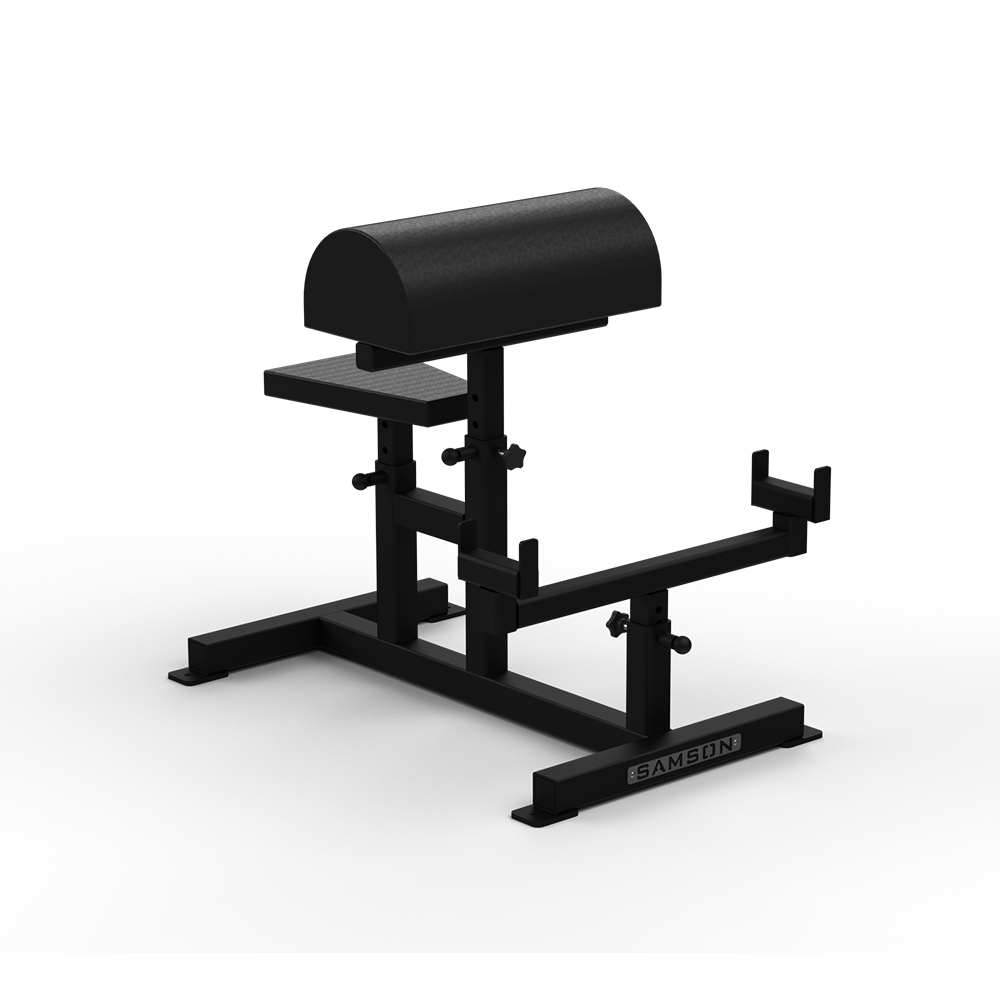
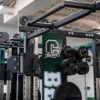
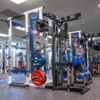
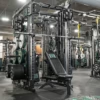
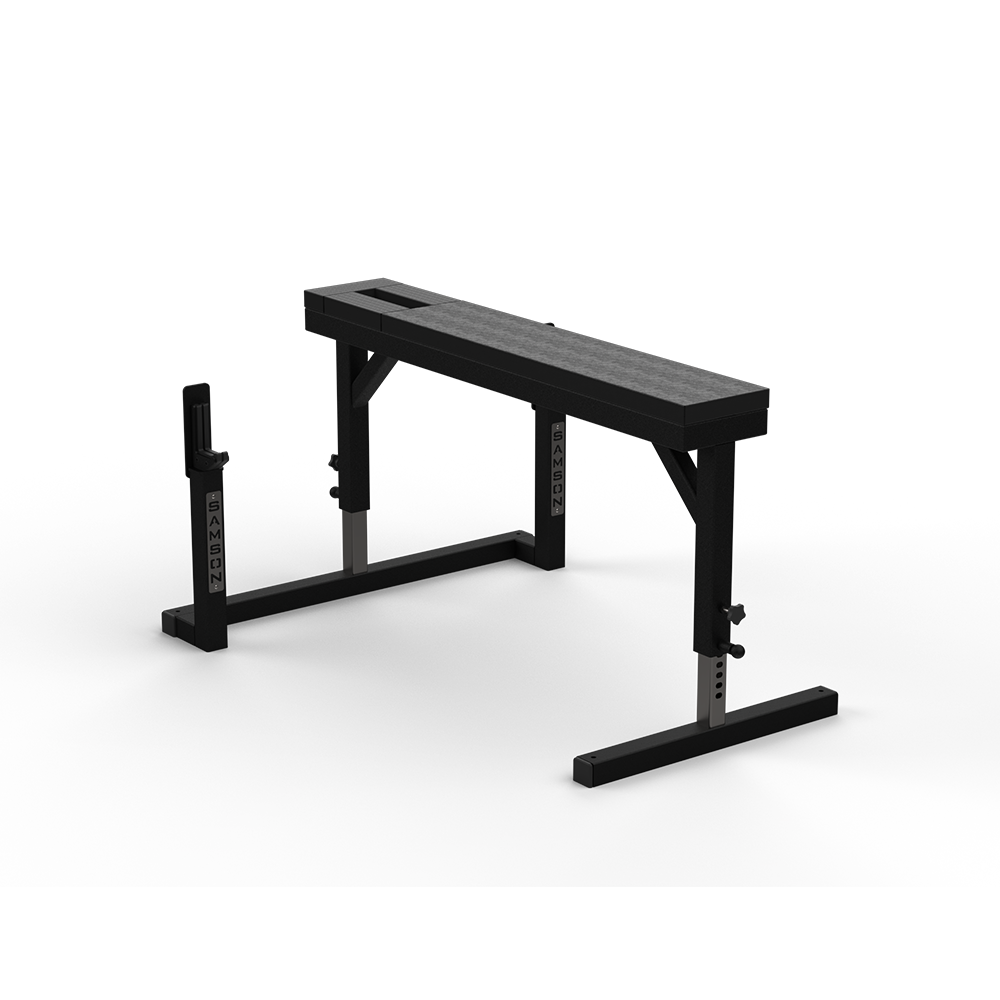
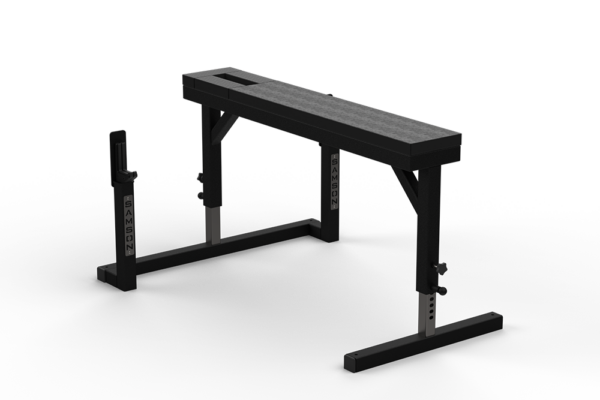
The Samson high prone row bench supports row and upper-back training in a controlled setup. Prone positions can reduce “cheating” and help athletes focus on scapular motion and upper-back engagement, which is especially valuable in institutional settings where technique quality varies.
Why upper-back work is non-negotiable
Upper-back strength supports shoulder stability, posture, and the ability to maintain position under load. For athletes who sprint, throw, tackle, grapple, or repetitively raise arms overhead, strong scapular control and pulling capacity are essential.
Benefits of consistent row volume
- Shoulder durability: balances pressing volume and supports scapular stability.
- Posture and position: helps athletes maintain strong positions under fatigue.
- Performance support: pulling strength supports many sport skills and contact demands.
- Coaching simplicity: a dedicated row station makes programming and flow easier.
Why prone rows?
Prone row variations can help standardize technique by limiting excessive body swing and focusing the movement on the upper back. In large groups, that consistency matters. It’s easier for coaches to cue and correct row mechanics when the station itself encourages better positions.
What coaches like about prone positions
- Less momentum: athletes rely less on body swing to move the load.
- Better scapular focus: easier to cue controlled retraction/depression patterns.
- Consistent torso angle: reduces variation between athletes and reps.
- Coach-friendly supervision: coaches can spot common faults quickly.
Technique focus: make rows “look the same” across the roster
In institutional rooms, the goal is often repeatable execution more than perfect biomechanics for every athlete. A prone row station makes it easier to standardize cues so the movement stays productive and shoulder-friendly.
Common coaching cues
- Control the start: set the shoulders before pulling and avoid shrugging up.
- Pull with the upper back: think “elbows drive” while the chest stays supported.
- Pause with intent: a brief pause at the top reinforces scapular control.
- Own the eccentric: slow the lowering so the athlete controls position.
Where this bench fits in a team training layout
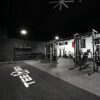
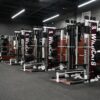
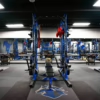
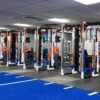
Row stations are typically part of a bench/accessory lane. In many rooms, racks handle the primary lower-body work while the bench lane handles accessory upper-body volume and durability circuits. When you build a defined lane, traffic is cleaner and sessions are easier to run at scale.
Explore more bench and accessory options here: Weight Benches.
Programming ideas coaches use
High prone rows fit well into many formats because they can be scaled by load and tempo. Coaches commonly include them as:
- Accessory work: after presses to balance volume and support shoulder health.
- Durability circuits: paired with trunk and lower-body accessory work.
- Warm-up activation: lighter sets focused on control and scapular movement.
- In-season maintenance: moderate loads with consistent rep quality.
Consistency is the real key: a dedicated station makes it easier for athletes to hit the intended work week after week.
Pairing rows with pressing (simple templates that work)
Many programs pair rows with presses to keep upper-body work balanced and to support shoulder durability. For teams, a press/row pairing is easy to coach and easy to rotate through.
Example pairings
- Bench press day: row sets between pressing sets to reinforce posture.
- Incline/shoulder press day: rows paired with vertical pulls for total shoulder development.
- Durability circuits: rows + carries + trunk work as a short finisher.
Variation options coaches can use
Depending on your program and available implements, a prone row station can support different grips and loading strategies. Coaches often rotate variations across phases to keep progress moving while maintaining consistent intent.
- Different grips: neutral vs. overhand emphasis for different athletes.
- Tempo work: slow eccentrics or pauses to emphasize control.
- Volume blocks: moderate loads for consistent weekly pulling volume.
Facility planning: spacing, storage, and visibility
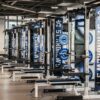
Accessory lanes work best when athletes can approach stations safely and coaches can see multiple stations at once. Planning spacing between benches, defining walkways, and providing nearby storage makes the room easier to operate under real use.
If you’re planning a new facility or upgrading an existing room, Samson can help design the layout for throughput and day-to-day efficiency.
Start here: Start Your Free 3D Layout Design.
Maintenance and daily operations
High-volume rooms benefit from small habits that keep stations available and professional. Clear reset standards and basic upkeep protect equipment and reduce clutter in the bench lane.
- Wipe-downs: clean upholstery and touch points daily.
- Hardware checks: confirm bolts remain tight under repeated use.
- Nearby storage: keep dumbbells/plates organized so benches aren’t used as storage surfaces.
- Defined lanes: keep walkways clear so athletes don’t cross active stations.
Ordering guidance and support
Need help selecting a bench lane mix that matches your teams? Samson supports complete facility planning and equipment selection so your room operates smoothly under training volume.
For pricing and recommendations: Contact Samson Equipment.
FAQs: high prone row benches
Is this suitable for beginners?
Yes, coaches can scale load and focus on strict technique. The station’s setup can help athletes learn better positions.
Do we still need pull-ups and other pulling movements?
Yes. A prone row station typically complements a complete pulling program that may include vertical pulls, rows, and accessory work.
Can Samson help design an accessory lane?
Yes, layout planning helps ensure accessory stations are used consistently and stay organized.
How many row stations should a room have?
That depends on group size and rotation plan. Many facilities plan enough row capacity so pulling work doesn’t become the bottleneck during upper-body blocks.
Is rowing volume important even for pressing-dominant sports?
Yes, upper-back strength and scapular control support shoulder health and posture across many sports and training phases.
Request Pricing and Layout Support
Build stronger, more durable athletes with a dedicated upper-back station designed for team training flow. For help planning your facility layout, contact Samson.