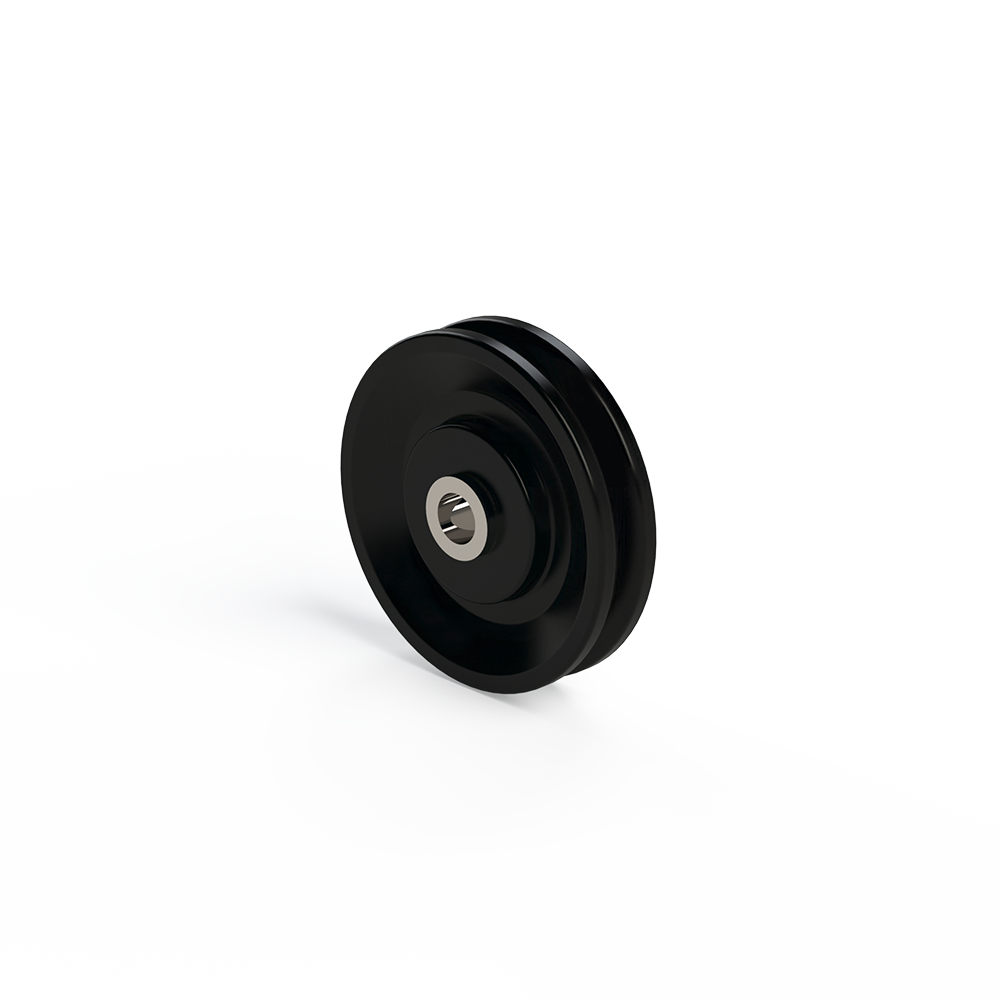
3.5" Pulley: Smooth, Consistent Cable Tracking for Institutional Weight Rooms
From functional trainers to lat pulldowns, cable equipment is a staple in many athletic and tactical training spaces. These machines are popular because they’re versatile, easy to coach, and effective for a wide range of athletes. But cable machines are also high-wear systems, cables, pulleys, and contact points see constant movement and load.
The Samson 3.5" pulley is a replacement part intended for cable-driven training equipment where dependable movement and consistent tracking are essential. When a pulley is in good condition, athletes experience a smooth rep from start to finish. When it isn’t, the whole machine feels “off.”
Why pulleys are a critical wear item
A pulley is responsible for guiding the cable path while reducing friction. Over time, normal use can wear the pulley groove, loosen hardware, or degrade bearing performance. In a team environment, this wear can accelerate quickly because usage is frequent and users vary in technique and loading.
Problems a worn pulley can create
- Rough feel: increased friction makes the rep feel uneven and less controlled.
- Noise: squeaks or grinding often indicate bearing or groove issues.
- Cable wear: abrasion and misalignment can lead to fraying or flattening.
- Tracking issues: the cable rides improperly in the groove or shifts under load.
If your machine has started to feel rough or sound “louder than usual,” addressing pulleys early can prevent more expensive downtime later.
Compatibility and correct sizing
Replacement parts should match the machine’s requirements, pulley diameter, mounting style, and groove profile all matter. A 3.5" pulley is commonly used in many cable routes where compact routing is required, but it still needs to match the original design to maintain proper cable alignment.
If you’re unsure which pulley size you need, Samson can help confirm the correct part. Matching the right pulley helps protect the cable and keeps the machine’s resistance curve feeling consistent for athletes.
Why diameter affects cable life
Pulley diameter influences the cable’s bend radius. When the bend radius is appropriate for the cable and routing, friction and wear are reduced. When it isn’t, you can see faster cable wear, rougher feel through the rep, and more frequent service needs, especially in high-volume team settings.
Troubleshooting tip: isolate the source
If a machine feels rough, the issue may be one pulley, multiple pulleys, the cable itself, or misalignment in the path. A quick way to isolate the source is to move through the cable path slowly and identify where the cable starts to drag or make noise.
- Check the groove: look for wear, chips, or sharp edges.
- Check the bearing: the pulley should spin freely without grinding.
- Check alignment: cable should track centered, not on an edge.
- Check adjacent pulleys: one worn point often indicates others are close behind.
Maintenance tips that protect equipment investments
Institutional facilities often focus on big equipment purchases, but the long-term performance of that equipment depends on regular, simple upkeep. A cable machine that feels smooth and consistent builds athlete confidence and reduces the temptation to “cheat reps” because the resistance is jerky or unpredictable.
Quick checklist
- Inspect cable contact points: look for fray, shine, or flattened sections.
- Check pulley alignment: the cable should run centered through the groove.
- Tighten hardware: loose mounts can cause tracking issues and noise.
- Listen during use: new sounds are often early warning signs.
A small preventative maintenance schedule can keep machines available for training blocks and reduce disruptions during team sessions.
Plan your room for uptime: layout and throughput
When teams train, the room’s layout determines whether sessions run smoothly or bottleneck. Cable stations are often used for accessory circuits, rehab/prehab, and supplemental work, so keeping them operational matters. If you’re planning a new space, Samson can help design a layout that supports traffic flow, storage, and station counts so equipment is easier to manage long-term.
Start here: Start Your Free 3D Layout Design.
When to replace more than one pulley
If a single pulley fails, it’s often a sign that the cable path has been under stress for some time. In many cases, you may want to inspect adjacent pulleys along the same route. Replacing one worn pulley while leaving other worn contact points in place can lead to continued noise, rough movement, or accelerated cable wear.
Situations where a broader inspection is smart
- Multiple noisy contact points: sound occurs at several points in the rep.
- Visible cable wear: fray or flattening suggests friction along the route.
- High-volume stations: popular cable movements used daily by teams.
- Misalignment evidence: cable rides to one edge of the pulley groove.
Installation and service overview (high level)
Every machine is different, but pulley service usually follows a simple pattern: confirm the correct part, secure the machine, relieve cable tension, replace the pulley and hardware as needed, then test cable travel through a full range of motion. If you maintain multiple stations, documenting what fits each machine can save significant time later.
If you need help identifying the right pulley or confirming mounting details, Samson can assist so you don’t lose time on trial-and-error replacements.
Ordering support
If you’re servicing one machine or standardizing parts across multiple stations, Samson can help you identify the correct replacement pulley and keep your equipment running smoothly.
For pricing and part identification assistance: Contact Samson Equipment.
FAQs: 3.5" pulleys
What causes pulley noise?
Noise can come from wear in the pulley groove, a bearing that no longer spins freely, or misalignment that causes the cable to rub.
Should we replace pulleys and cables together?
Not always, but it’s wise to inspect both. A worn pulley can damage a new cable, and a damaged cable can accelerate pulley wear.
Can Samson help identify the right replacement part?
Yes, share your machine details and we’ll help confirm compatibility.
Should we keep spare pulleys on hand?
For high-use facilities, a small spare-parts kit can reduce downtime. Common wear items like pulleys and related hardware are often worth stocking so repairs don’t interrupt training blocks.
Request Pricing and Layout Support
Maintain smooth cable movement and protect cable life with the right pulleys. Contact Samson for help identifying the correct replacement part for your machine.