Adjustable Leg Lift: Lower-Body Accessory Strength for Athletes
Strong teams are built on more than just the big lifts. While squats, hinges, and presses form the foundation of most programs, accessory work is often where athletes build the details that support performance: hip flexor strength, quad and hamstring balance, trunk stability, and joint durability.
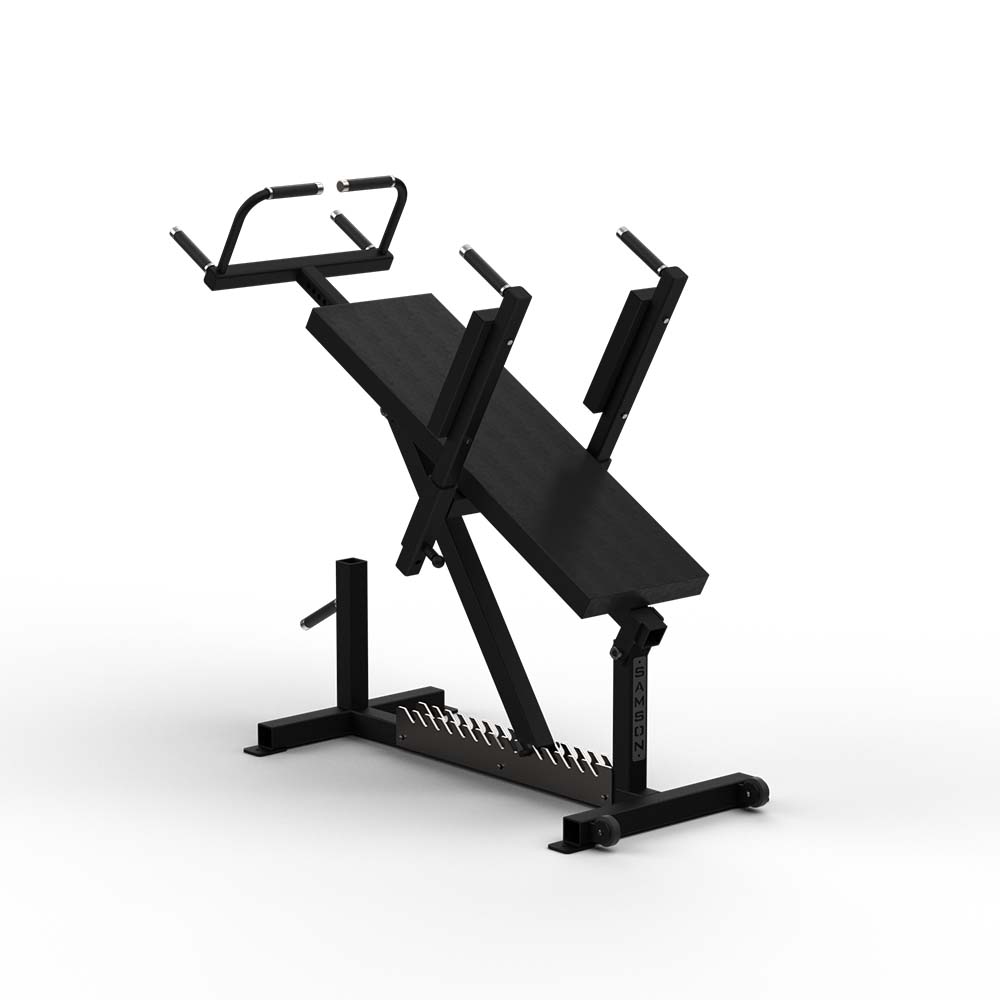
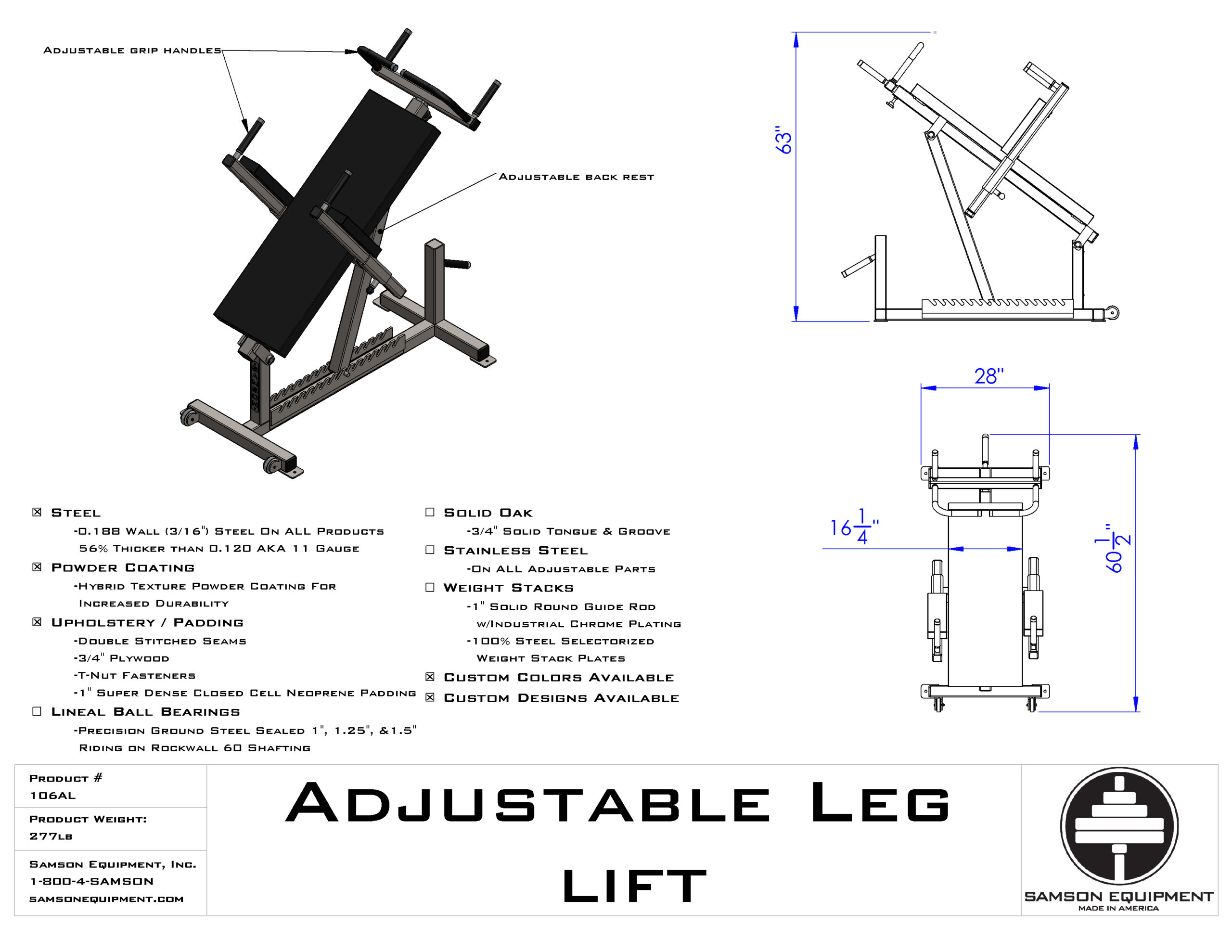
The Samson adjustable leg lift is designed to support targeted lower-body accessory training in institutional facilities. When you can adjust equipment to better fit different athletes, you improve rep quality and make it easier for coaches to standardize technique across a team.
Why adjustable matters in team settings
In a school or team facility, one piece of equipment may be used by a wide range of athletes, different heights, limb lengths, and training ages. If equipment is “one-size-fits-none,” athletes compensate with poor setup and reduced range of motion. Adjustable features help match the machine to the athlete, which improves execution and comfort.
Benefits of adjustable setups
- Better fit across athletes: helps position joints properly for higher-quality reps.
- Improved coaching consistency: athletes can reproduce the same setup each session.
- Higher throughput: quick adjustments reduce downtime between users.
- Safer patterns: less “awkward” positioning under load.
Where leg lift work fits in programming
Leg lift and leg accessory patterns are commonly used for:
- Accessory strength blocks: after primary lifts to build supporting musculature.
- Return-to-play progressions: controlled work to rebuild strength and capacity.
- Warm-up activation: light sets to prepare hips and trunk for training.
- Balance and symmetry work: address side-to-side differences over time.
As with all accessory tools, the best outcomes come from consistent use. A well-designed room makes it easy to get athletes to the right stations at the right time.
What this station helps train
Lower-body accessory tools can support different goals depending on how they are programmed. Coaches often use leg lift and related patterns to reinforce strong hip and trunk control while building capacity in supporting muscle groups.
Common training intents
- Hip flexor and trunk coordination: useful for sprint mechanics and posture under fatigue.
- Lower-body balance work: complementary work alongside squats, hinges, and lunges.
- Controlled range of motion: build strength through a consistent pattern and tempo.
- Durability support: targeted training that helps athletes tolerate sport volume.
Progressions that work for teams
Accessory stations are most effective when progressions are simple and repeatable. Many coaches progress these movements with a “quality-first” approach: consistent reps, controlled tempo, and gradual loading only when execution stays clean.
Common progression options
- Tempo first: slow eccentrics and pauses before adding heavier loading.
- Volume progression: add sets or reps over time while maintaining quality.
- Range progression: increase range of motion gradually as athletes gain control.
This makes the station useful across both off-season development and in-season maintenance phases.
Building a complete bench and accessory lane
In many rooms, the “bench lane” is where most accessory work lives. That lane often includes adjustable benches, specialty benches, and targeted tools that support team needs. When that zone is planned intentionally, coaches can run efficient circuits without interfering with primary rack traffic.
Explore more bench options and related equipment: Weight Benches.
Facility planning: throughput and traffic flow
Accessory equipment is most effective when the room’s layout makes it easy to use. If stations are crowded, hidden, or far from storage, athletes skip the work or perform it poorly. Samson supports facility design and planning so your room functions under real team volume.
Start a layout request here: Start Your Free 3D Layout Design.
Coaching and setup tips
To get the most from accessory tools, coaches typically emphasize:
- Consistent setup: athletes should learn their settings and repeat them.
- Controlled tempo: quality reps build durability and reduce compensation.
- Appropriate loading: accessory work should support the program, not exhaust the athlete.
- Clear intent: tie the movement to sport demands and training goals.
Common setup mistakes to avoid
- Rushed adjustments: small setup errors compound across reps and users.
- Too much load too soon: accessory stations are most valuable when reps stay controlled.
- Inconsistent standards: if coaches cue different intent each week, athletes drift.
Daily operations: keep the accessory lane usable
Accessory tools tend to get skipped when they are buried behind other stations or mixed into heavy rack traffic. A clean lane, defined walkways, and nearby storage keep the station available and help athletes execute the plan without chaos.
- Define a home position: the station stays in the same place for predictable flow.
- Keep it visible: coaches should be able to supervise without crossing the room.
- Reset rules: athletes return settings and clear the station after the block.
Ordering guidance and support
If you’re outfitting a facility or upgrading a bench lane, Samson can help you choose equipment that matches your teams and your training plan. We can also help you determine station counts and accessory mixes so the room runs smoothly.
For pricing and recommendations: Contact Samson Equipment.
FAQs: adjustable leg lift stations
Is this equipment suitable for large groups?
Yes, accessory stations are often used in circuits and supplemental blocks, especially when the layout supports athlete flow.
Do adjustable stations help with athlete comfort?
Adjustability often improves fit and positioning, which can improve rep quality across different body sizes.
Can Samson help plan an accessory lane and storage?
Yes, layout planning helps accessory tools stay organized and actually get used.
Is this more of a rehab tool or a strength tool?
It can be used for both. Coaches may use it for durability and return-to-play progressions, while also programming it as accessory strength work in the general team plan.
How do we keep athletes moving through this station efficiently?
Use simple setup standards, keep adjustments quick, and place the station in a dedicated accessory lane with clear traffic flow.
Request Pricing and Layout Support
Build stronger, more resilient athletes with targeted accessory stations that fit a wide range of users. For help planning your bench lane and facility layout, contact Samson.
Ordering, support, and facility planning
In a high-volume facility, the right equipment is only part of the solution. Planning station counts, storage, and traffic flow helps teams train efficiently and keeps equipment in better condition long-term. If you’re building a new room or upgrading an existing space, Samson can help you choose the right mix of stations and accessories so the room works under real training volume.
For help selecting options, confirming fit, and building a complete equipment list, reach out here: Contact Samson Equipment. If you’re planning a full room layout, you can also start a free design conversation here: Start Your Free 3D Layout Design.
Quick FAQ
- What warranty does Samson offer? Samson offers a lifetime warranty on framework, with more details available on the warranty page.
- What care support is available? Samson can provide guidance on upholstery cleaner, backup cables, pulleys, knobs, and other care items.
- Does Samson service equipment? Service quotations can be set up upon request through the Samson team.